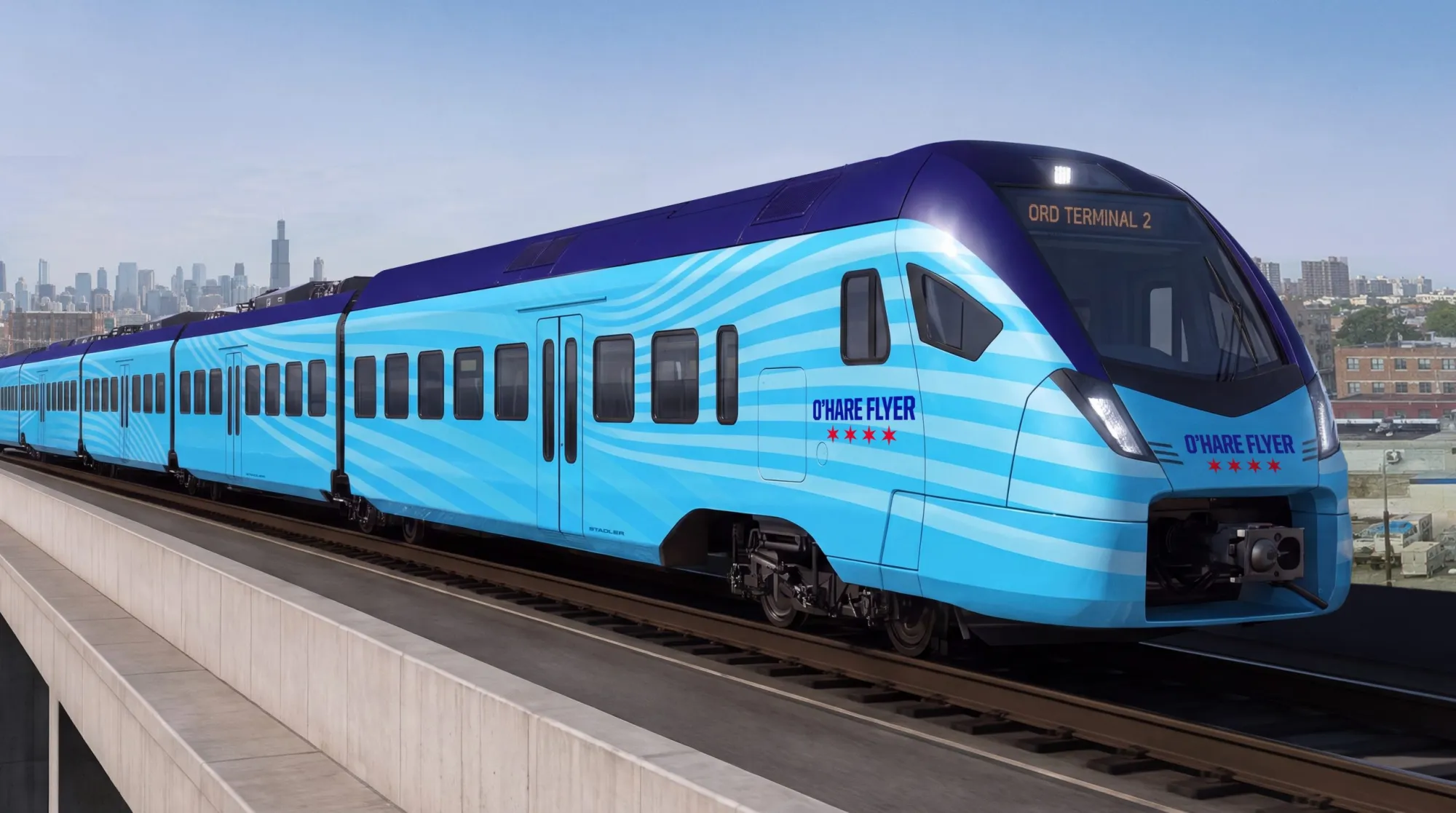
America Has Never Built an Airport Express Railway. Chicago Is About to Try. Nearly everyone agrees that there should be fast trains between downtown Chicago and O’Hare International Airport. The sticking point has always been how to make it happen: where the line...
Newsletter 5/9/25: A Plan for High-Speed Rail in the Northeast

Finally a Workable Plan for a High-Speed Rail Network in the Northeast Corridor
The Transit Costs Project at New York University released a plan this week to slash the travel time by train from Boston to Washington, D.C. to about 4 hours. The Boston-New York and New York-Washington, D.C., segments of the trip would take a little under 2 hours each. Travel times on those segments are now 3:40 and 3:00, respectively. The plan’s estimated cost is about $17 billion, versus $110 billion to implement an alternative high-speed rail proposal for the Northeast Corridor (NEC). These time and cost savings will be achieved through smarter, simplified scheduling and high-impact, relatively low-cost upgrades to infrastructure and rolling stock.
Continue Reading
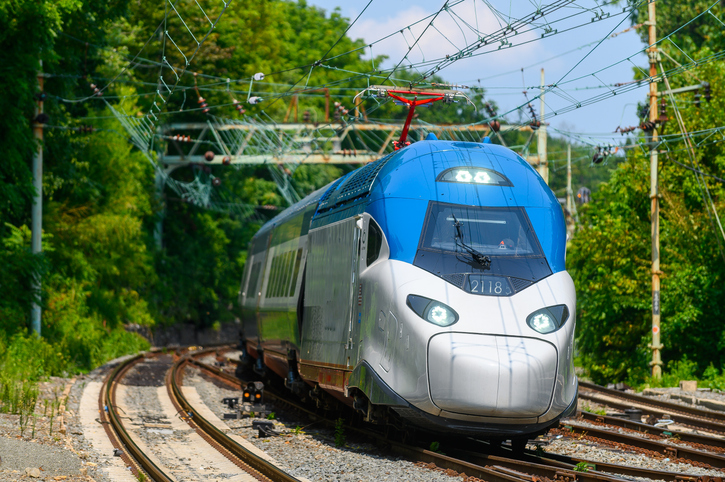

The Economic Engine of the Rio Grande Plan
Since its creation by Christian Lenhart and Cameron Blakely in 2020, the citizen-driven Rio Grande Plan has shared a vision: to remove railroad crossings, revitalize a neighborhood, and reuse the historic Rio Grande Depot as Salt Lake City’s main transit hub.
Continue Reading

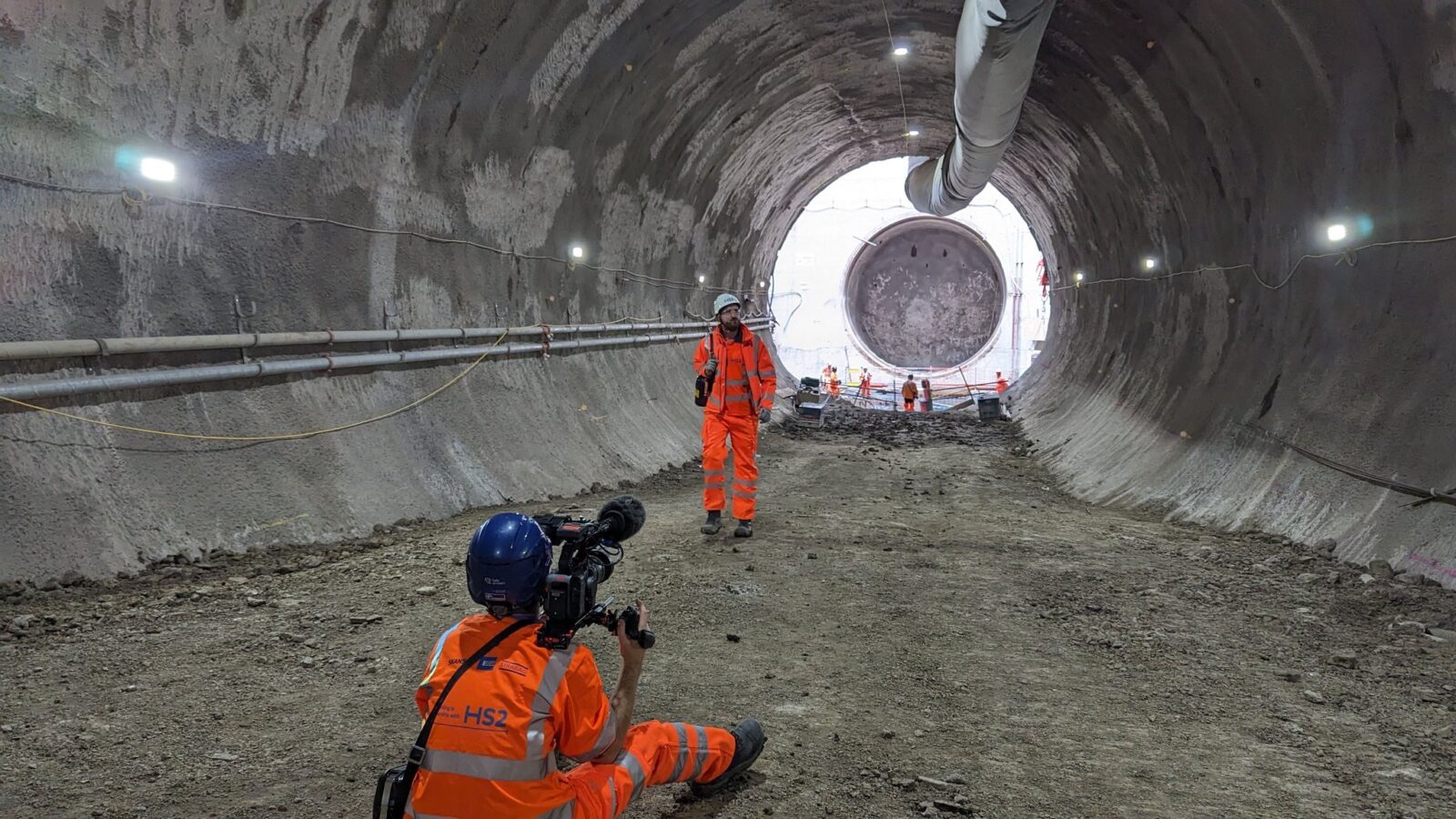
AI-led Risk Forecasting and Risk Management Within the Rail and Transit Industry
When: Tuesday, May 13 at 11am CT
Speakers: Richard Bendall-Jones & Alexi Kostopoulos, nPlan
nPlan has worked on major rail projects across the world, including with Network Rail, HS2, City of Ottawa Stage 2, Transpennine Route Upgrade (TRU), MTR in Hong Kong, and more. Join us for an overview and discussion of how AI can revolutionize the way teams reduce risk during the delivery of major capital projects. We’ll also present real-world examples of how AI has been implemented on major rail projects.
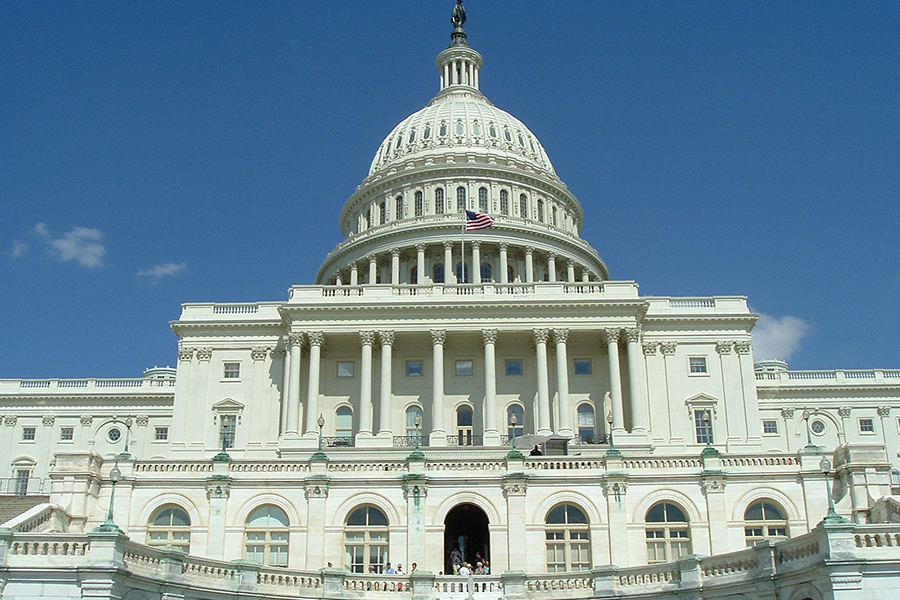
What’s the Latest on Federal Funding?
When: Friday, May 16 at 11am CT / 12pm ET on Zoom
Speaker: Beth Osborne, Director of Transportation for America and Rick Harnish, High Speed Rail Alliance Executive Director
The first months of Donald Trump’s return to the White House have brought sweeping changes to federal transportation priorities and funding, plus ongoing questions and concerns. A power struggle over federal funding has put investment in limbo for new and improved trains and transit from the Bipartisan Infrastructure Law, the Inflation Reduction Act, and other measures. Register to learn more.
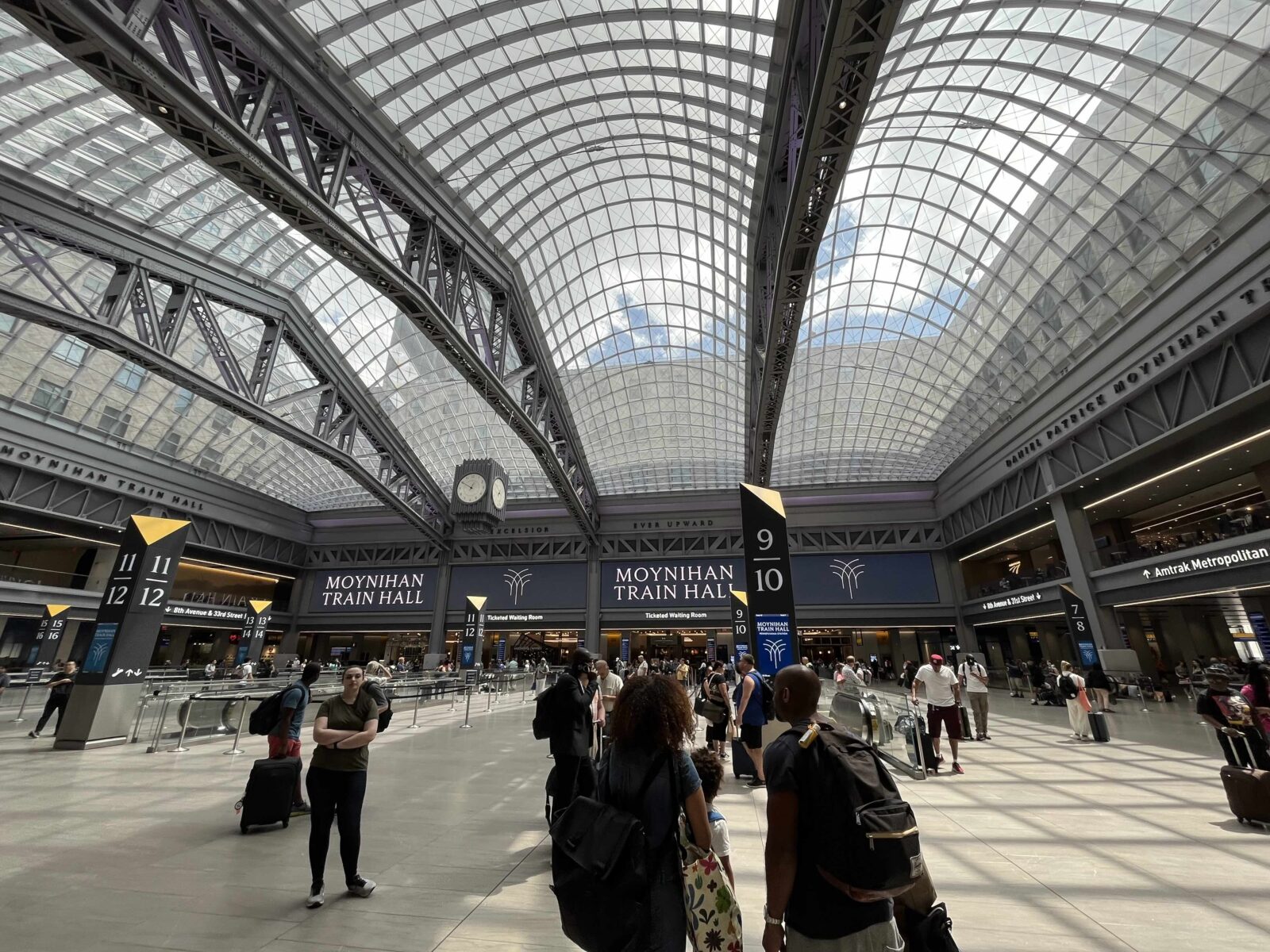
Form Follows Function: Capacity Before Architecture at Penn Station
When: Friday June 6 at 11am CT on Zoom
You can learn about the future of New York’s Penn Station through this conversation between Alliance executive director Rick Harnish and Blair Lorenzo, the leader of the Effective Transit Alliance.

Could a New Illinois Bill Help Create a Cohesive Train and Bus System?
Trump Rips California Rail Projects
Colorado Signs 25 Year Deal for Moffat Tunnel, Setting Stage for Expanded Mountain Train Service
Hillsborough TPO Asking for Input on Potential Brightline Station in Tampa
Amtrak Lays Off 250, Cuts Another 200 Open Management Roles
Seattle’s $300M Amtrak Expansion to Bring Modern Trains, Transportation By 2027
This Train Company Is Turning Its Trains and Stations Into Coworking Spaces
U.S. Rep. Emilia Sykes Pushes for Amtrak Stop in Akron or Canton
Editor’s Note: Advocates Want Andy Byford to Lead Penn Station’s Redevelopment
The Latest from HSRA
Our Latest Blog Posts
Check out the latest news, updates, and high speed rail insights from our blog!