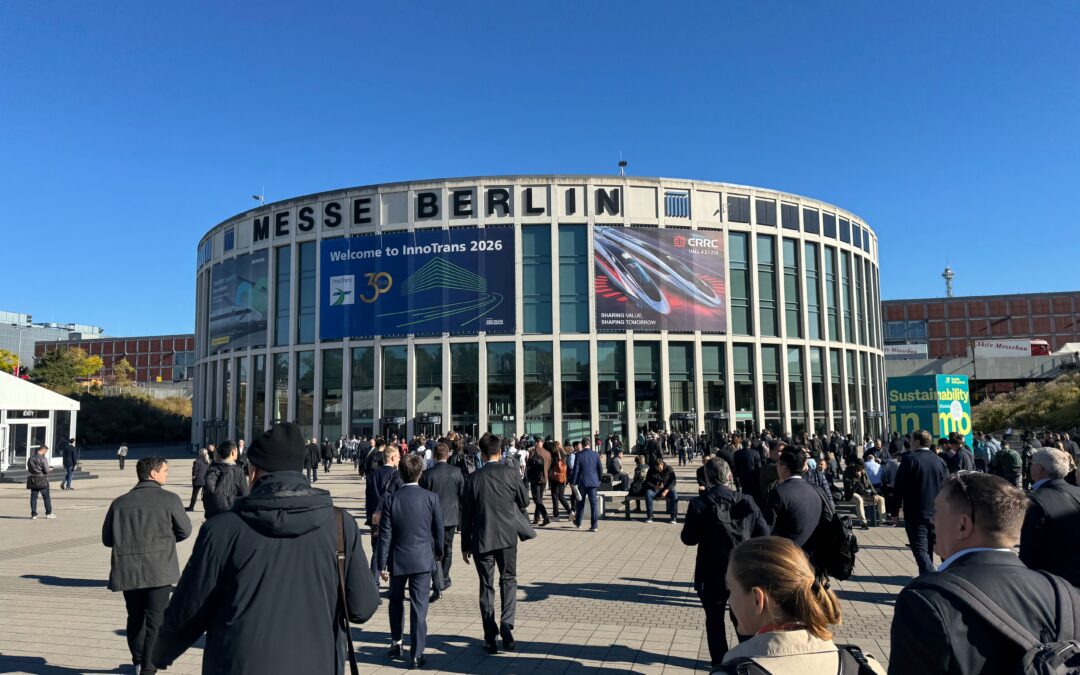
U.S. Takeaways From the Largest Railway Trade Show on Earth By Jordan Pokorney, Manager of Outreach & Engagement There’s nothing like InnoTrans. Held every two years since 1996 at the massive Messe Berlin, InnoTrans is where the latest transit technology is...
Amtrak to Order Single-Level Night Trains
Decision reflects what manufacturers can build
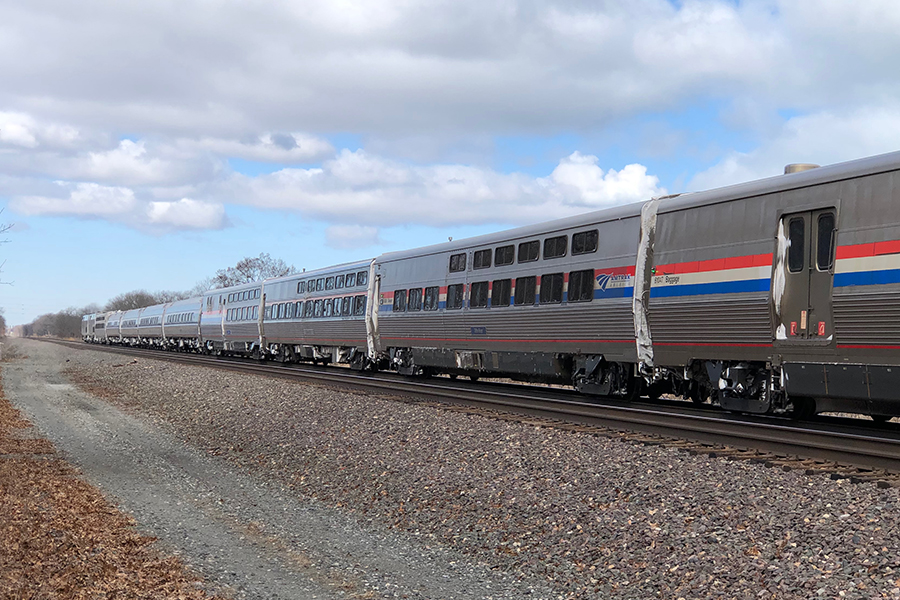
Amtrak announced last week that it will switch to an entirely single-level fleet, replacing today’s mix of bi-level and single-level equipment – meaning the bi-level Superliners will be replaced by single-level units as they are withdrawn from service.
This decision is an important step. Amtrak has wasted three or four years pursuing an impractical design that manufacturers did not want to build.
But Amtrak still hasn’t issued a request for proposals for the single-level fleet. Pressure needs to be maintained to get the request for proposals issued, get an order placed, and ensure production moves quickly.
It is urgent that Amtrak gets new cars as soon as possible. The first 284 Superliners, built by Pullman-Standard, were delivered from 1979-81. The second set of 195 Superliners, built by Bombardier Transportation (a successor of Pullman-Standard and predecessor of Alstom), arrived from 1991-96. The 380 bi-level Superliner cars still in service, out of an original 479 built, are beyond their useful lives.
While many will miss the views Superliners offered from their second-floor windows, replacing them with single-level units is the right decision.
No bi-level car shell design exists.
- Regulations have changed since the 1990s, and the design Amtrak was hoping to have built is unique to the United States. The last manufacturer that agreed to building a bi-level, Nippon Sharyo, was unable to meet the specifications and went bankrupt. A 2011 order by California and Illinois was delayed by five years by the attempt. Ultimately, the order was filled by single-levels cars.
No factory exists to build bi-level cars.
- The welding machines needed to build railcars are complex and fill a building. It would take years just to build the needed building and welding machine.
Elevators are a bad idea.
- Elevators weren’t required when the Superliners were built, but they would have been required now. In the rugged environment in which these trains operate, it is unrealistic to think elevators would be reliable, and they would consume precious space.
The Superliners will be missed by passengers who appreciated the comfort of the seats, the smooth ride, the view out the window from coach and from the observation cars, even the soft interior lighting. But this is no time to mourn the Superliners. It is urgent to have more trains in service as soon as possible.
We need to maintain pressure on Amtrak and the U.S. Department of Transportation to get this order placed immediately.
The Latest from HSRA
Our Latest Blog Posts
Check out the latest news, updates, and high speed rail insights from our blog!