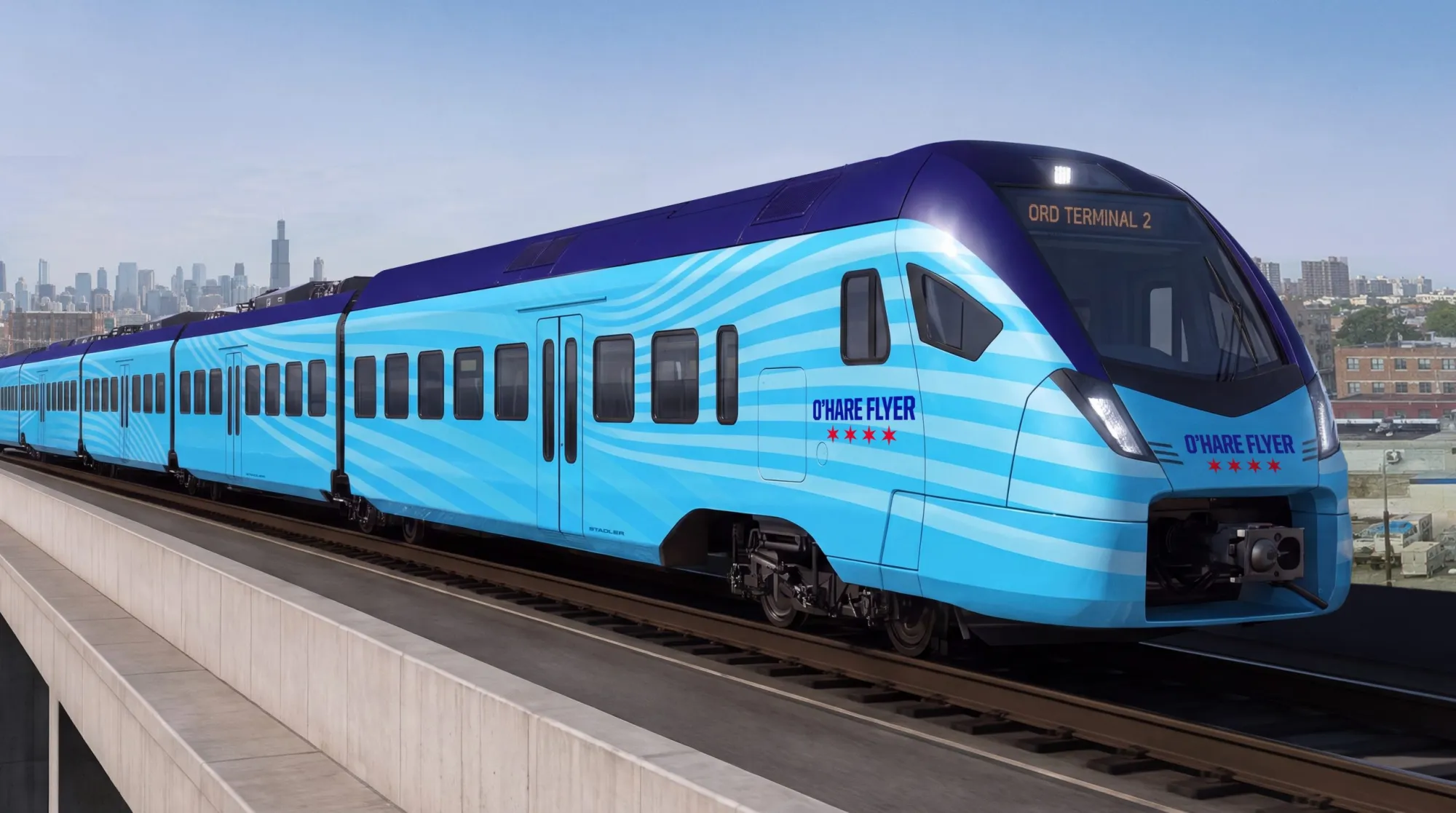
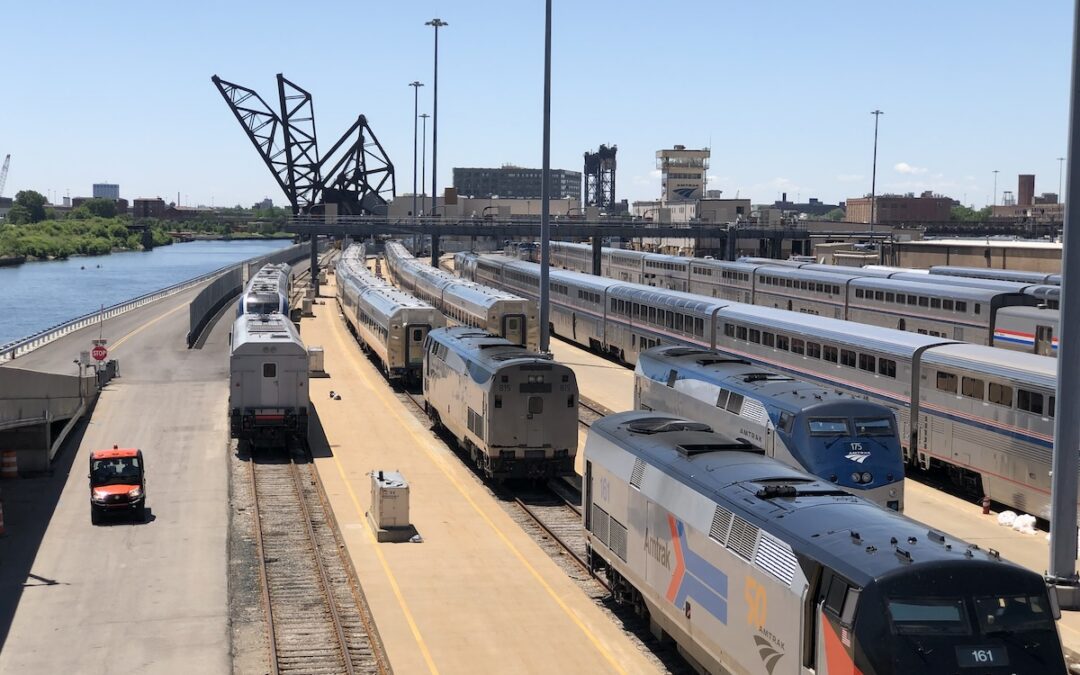
Amtrak urgently needs a new maintenance facility in Chicago. The existing 14th Street Coach Yard is too small—and the shops are too out of date—to maintain modern rolling stock. Amtrak has been working for several years to purchase Union Pacific’s Canal Street Yard,...
Dig the Damn Tunnels
This blog has been edited to emphasize that the CA Legislature needs to act.
California, It’s Time to Get Serious About High-Speed Rail
Last week, South Korea’s president said that the Iran War has been keeping him awake at night, and that governments must use the crisis to shift rapidly away from dependence on fossil fuels.
The United States has spent much of the past year doing exactly the opposite, of course.
One piece of good news: One of the nation’s most powerful tools to drive a shift away from fossil fuels—California high-speed rail—is under construction.
The line will ease our reliance on oil and slash carbon emissions by shifting millions of trips annually from cars and planes to zero-emissions, electric trains. Even better: A working high-speed line will grease the skids for more high-speed rail projects across the U.S.
There’s a catch though. The California High Speed Rail Authority projects that the full line—running from San Francisco to Los Angeles—won’t be operational until around 2040.
That timeline is unacceptable.
If high-speed rail really is one of the most powerful tools we have to shift travelers away from fossil-fuels—and it is—the legislature must get real, be bold, and fund it at levels that allow for a near-future launch.
Concretely, that means the Legislature should increase funding to:
- Accelerate completion of the Central Valley segment
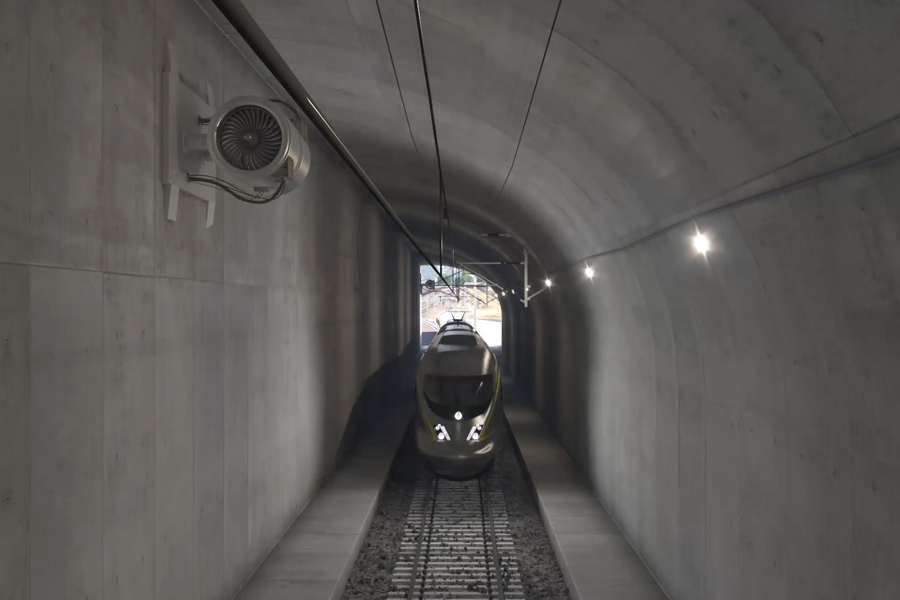
- Launch construction on three tunnels that will connect the line’s first segment (in the Central Valley) with the state’s primary population centers, greater Los Angeles and the San Francisco Bay Area.
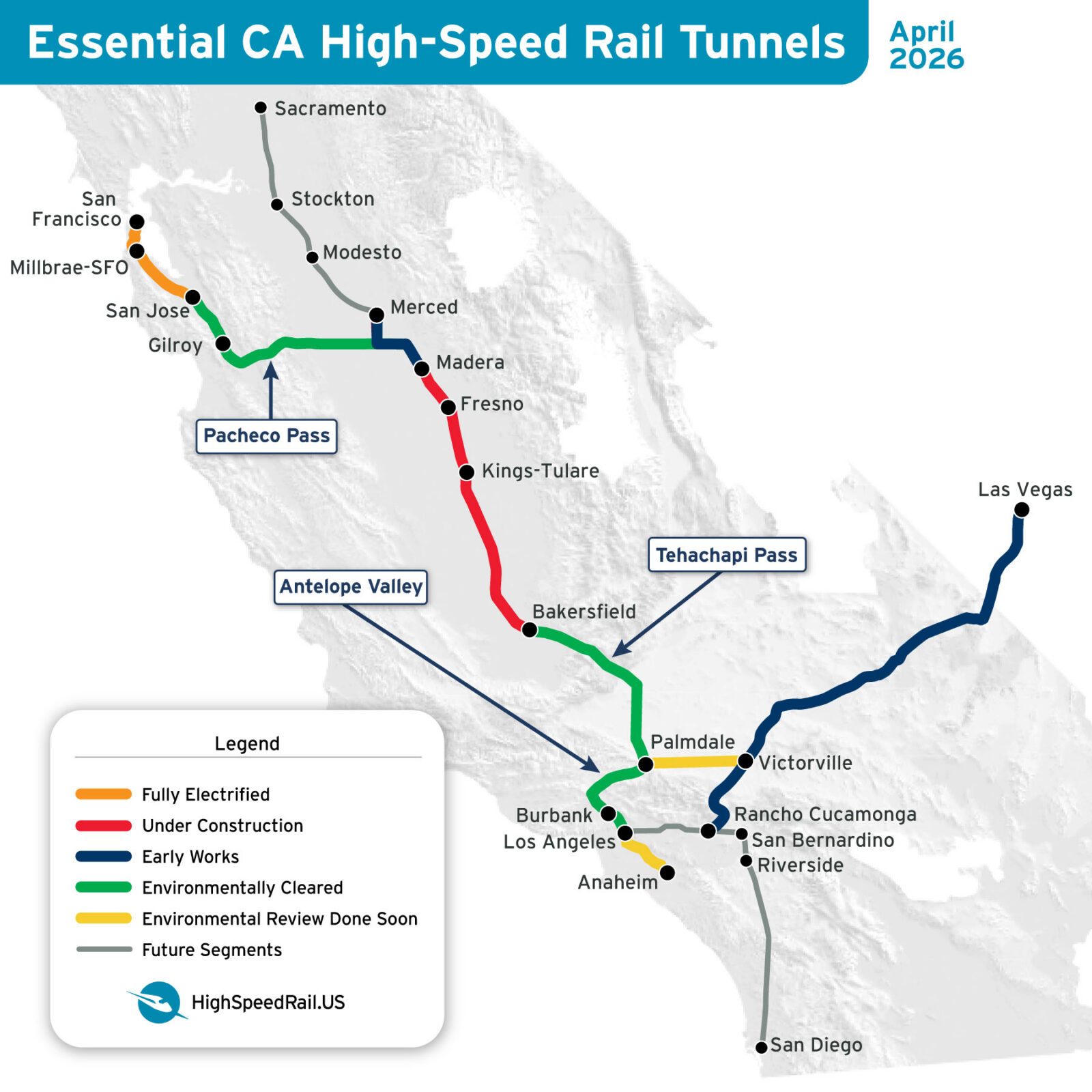
Three essential tunnels
Tunnels are needed in three segments: the Pacheco Pass, between Merced and Gilroy; the Tehachapi Pass, between Bakersfield and Palmdale; and the Antelope Valley, between Palmdale and Burbank. The first is southeast of San Francisco; the latter two are northeast of Los Angeles.
The tunnels are key to connecting the line’s spine in the Central Valley to its endpoints in San Francisco and Los Angeles. Connecting the line to those population centers is the only way to attract the levels of revenue the project needs to succeed financially—through ridership volume as well as contracts with private vendors.
Break the cycle
Starting work on the tunnels now might seem far-fetched, since they’re the most challenging and expensive elements of the entire project. But there are only two reasons for delaying construction.
One is a lack of funding. The other is doubt about whether the full line will actually be built. And these reasons are mutually reinforcing. Lack of funding creates doubt about whether the full line will be built. Those doubts make policymakers more skeptical about funding it. The lack of funding then leads to more delays, higher costs, and more doubt, as critics spotlight the delays—and spiraling costs—to demonize the entire project.
Only the California State Legislature can break this cycle—by getting fully behind the project rather than funding it just barely enough to keep it alive and on life support.
Chart a decisive path forward
An essential step is to authorize work on the tunnels. The Authority is now prohibited by law from doing any significant work outside of the Central Valley, but it is requesting permission from the Legislature to expand its scope.
Bigger picture, policymakers need to fully, genuinely commit to high-speed rail as the anchor of a reimagined, statewide transportation system that will build a strong economy and healthier communities. An integrated network of world-class trains, transit, and buses would give everyone affordable travel options; open up new opportunities for workers, students, and families; and emit vastly less pollution than flying or driving.
The alternative is to keep dumping endless streams of money into highway and airport expansions—and keep getting more congestion, more pollution, and more dysfunction in return.
In the 2010s, for example, California spent five years and $1 billion to expand 10 miles of Interstate 405 in Los Angeles. The road became even more congested as a result. “Drivers lost countless hours to detours and delays, small businesses struggled or failed to survive years of construction impacts, and taxpayers ultimately financed a project that delivered none of its promised mobility benefits,” the Greenlight Institute noted. “At a time when California faces climate-driven disasters, severe budget deficits, affordability and housing crises, and rising displacement, the state continues to pour public money into short-term fixes that create long-term harm.”
No one knows what the future holds in the Middle East (or elsewhere). But whether or not the current spike in gas and oil prices is permanent, one thing is certain: This is the end of the road for California’s old transportation model. It’s broken beyond repair.
It’s time for a new path. California needs to finally get real about high-speed rail.
The Latest from HSRA
Our Latest Blog Posts
Check out the latest news, updates, and high speed rail insights from our blog!