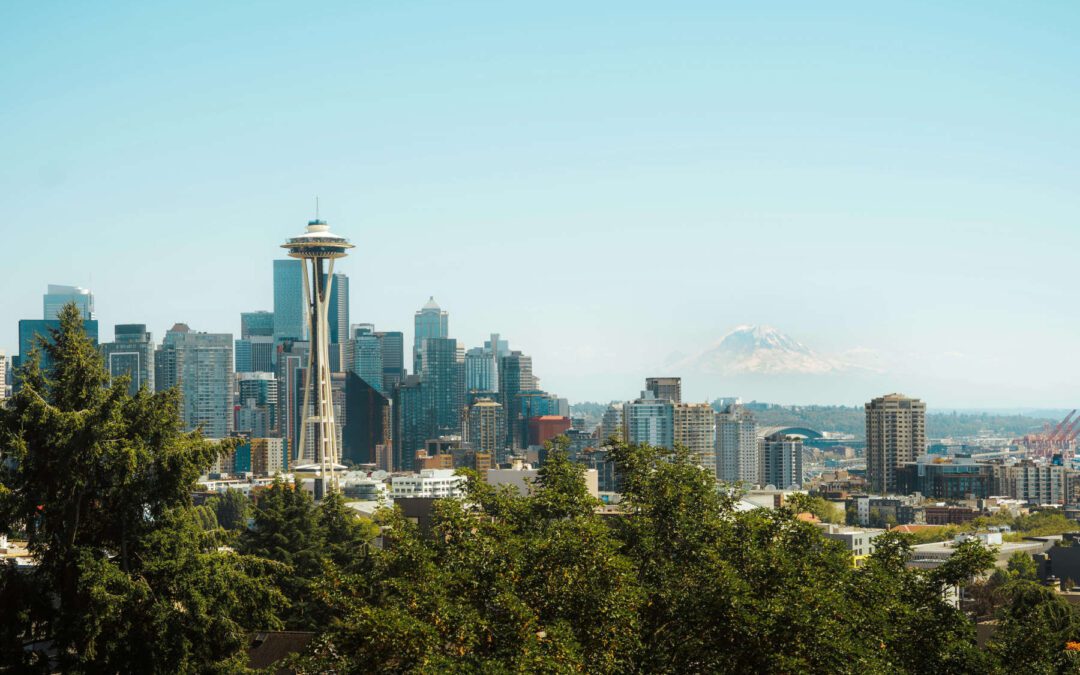
Take the SurveyWashington is designing a transformative high-speed line The Washington State Department of Transportation (WSDOT) is taking public comment on its study for a high-speed line between Portland, Seattle, and Vancouver, B.C. The study will be released in...
Iran War Rages, Gas Price Soars

Transportation solution is trains – but when America wants to ride, will the trains be waiting?
The retail price of gasoline is up 50 cents in the last week because of the war in the Middle East. War is unpredictable; the worst may be yet to come.
As oil and gas prices climb, millions of Americans might suddenly realize that train travel is their best option. But when they do, most of them will be disappointed. There won’t be a train going where they want to go, or when they want to go. And, even if there is, they won’t be able to buy a ticket because the train has too few cars and is sold out.
There are no storage facilities with hundreds of surplus coach cars in the Arizona desert or a New Jersey warehouse. Every passenger coach and locomotive fit for service (many of which, in truth, should have been replaced years ago) is already in service. All the merchandise is on the floor; there’s no secret stash in the back room.
Meanwhile, there are train tracks everywhere in the United States, but nearly all of them are owned by private companies, and could not accommodate more, faster, or more reliable passenger trains in their current condition. We are not prepared to deal with a crisis that requires moving more people and goods by train.
But we can be. And the policy changes needed should happen anyway. Direction — and funding — has to come from the federal government, not the states. The U.S. Department of Transportation should move quickly and decisively, focusing on:
Rail-car procurement.
- The government should place big orders—of an unprecedented magnitude—for trainsets and maintenance facilities to replace and repair the aging rolling stock. Amtrak’s long-distance order is a start. All of America’s passenger railroads need new trains.
Track improvements.
- The Department of Transportation should identify core routes, similar to the Interstate Highway System. On those routes, it should eliminate slow zones, bottlenecks, pinch points, and conflicts between passenger and freight trains—and it should fix them promptly. This means adding tracks and sidings, replacing old tracks, installing crossovers, and building grade separations so that trains move faster and without delays.
Do it now! The goal should be to get trains built, and tracks improved, within five years, so the country will be ready for a boom in rail passenger demand, while at the same time improving service for existing passengers and accommodating incremental growth. This is preferable to our current system of spending 15 years planning to run two round trips a day on one route. Planning is important, but the timeline has to be condensed. The mindset has to change from planning for planning’s sake to planning so that construction can get started, and finished.
In a moment in which there’s a gasoline price spike, the fuel efficiency of trains cannot be overstated. In the United States, intercity trains are 1.8 times more fuel efficient than cars, in terms of passenger miles per gasoline gallon equivalent, according to the U.S. Department of Energy. If more of our commuter/regional and inter-city routes were electric, the difference would be even greater.
Of course railroad construction will cost money. But the war in Iran costs $1 billion a day. We should be beating swords into plowshares.
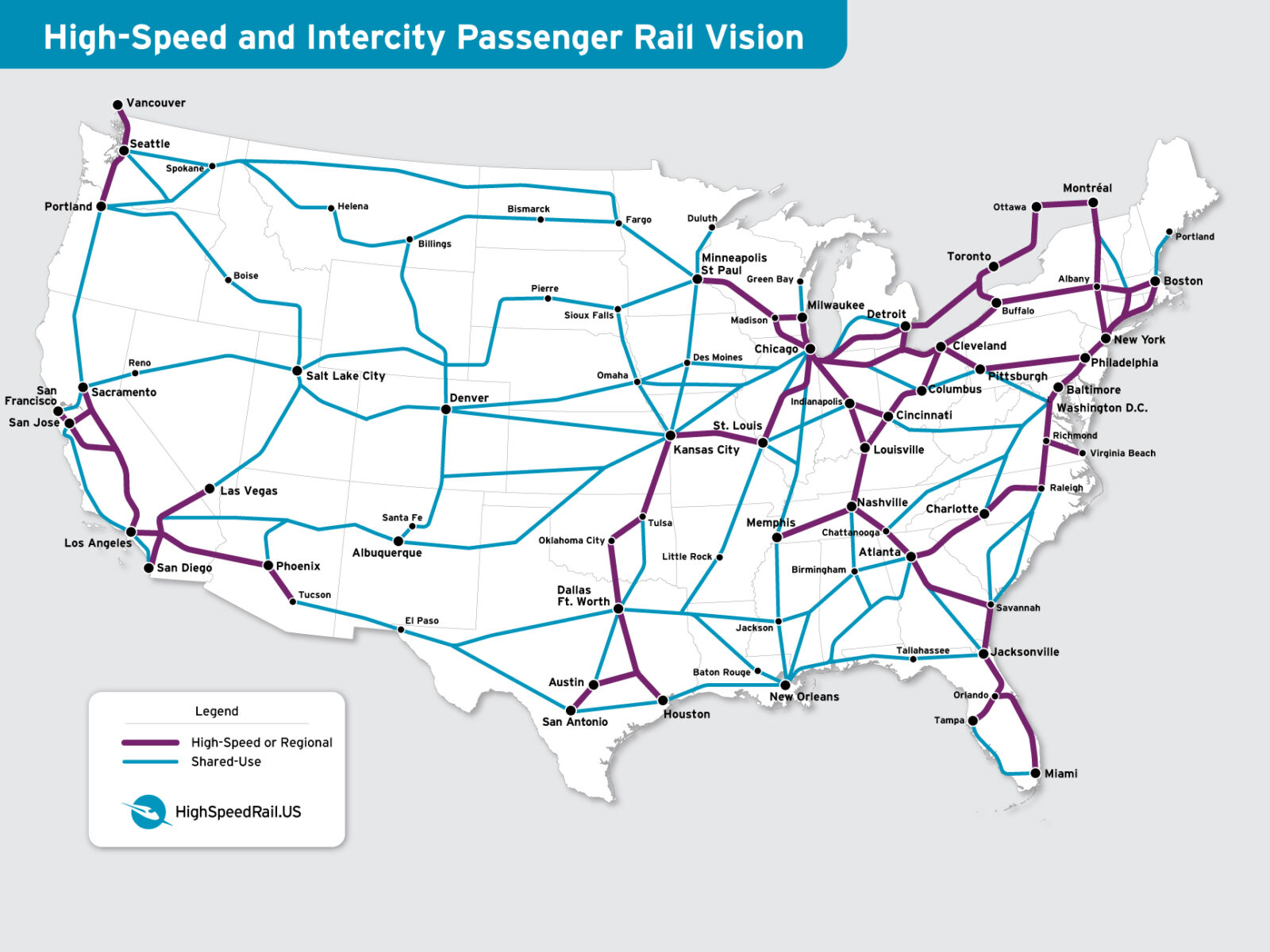
We have a national concept, along with ideas for every region and many states, to establish a passenger rail system we can be proud of. Our model is an excellent illustration, which would serve the nation well economically, environmentally, and in improvement in the quality of life. But it has been hard to move off the drawing board because building it has not been seen as an emergency.
Congress will be considering legislation to fund the war, with a price of $50 billion for the military, and billions more in aid for farmers and for wildfire recovery. A fully functioning national passenger rail system is the type of priority which should be included in such legislation.
National expansion starts with new trains
Ask Secretary Duffy to buy new trains for Amtrak
The Latest from HSRA
Our Latest Blog Posts
Check out the latest news, updates, and high speed rail insights from our blog!