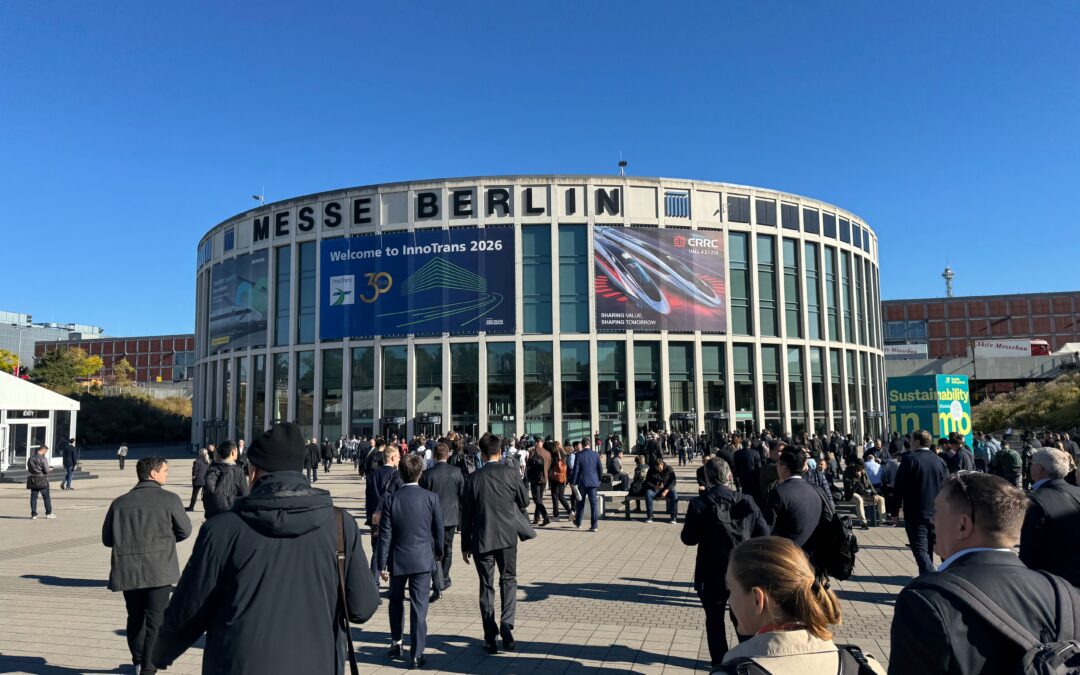
U.S. Takeaways From the Largest Railway Trade Show on Earth By Jordan Pokorney, Manager of Outreach & Engagement There’s nothing like InnoTrans. Held every two years since 1996 at the massive Messe Berlin, InnoTrans is where the latest transit technology is...
California High-Speed Rail is a Necessity
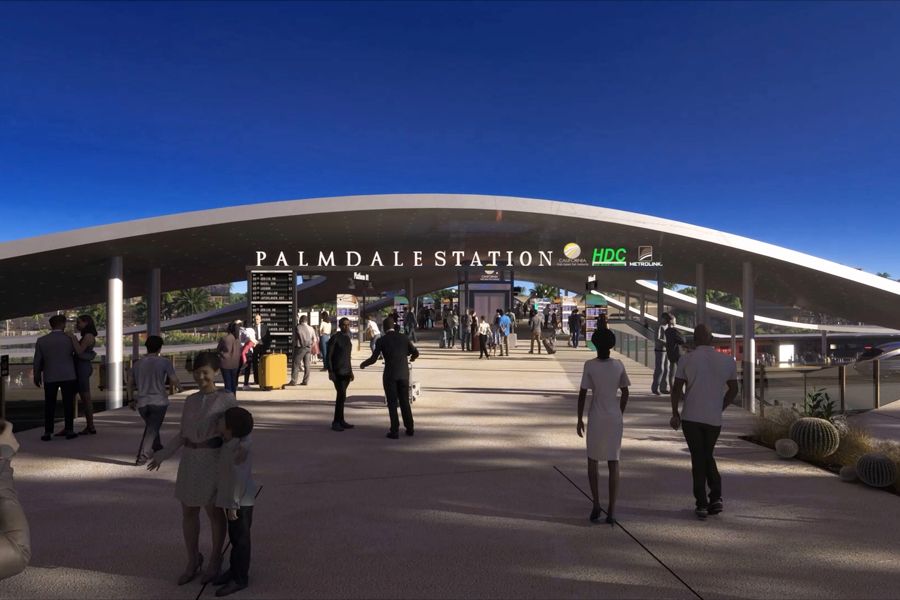
It’s Time to End California’s Car Culture
Stop the presses. California high-speed rail is behind schedule and over budget.
But California high-speed rail is a project that California and the nation need, and once trains are running, people will wonder how they ever got along without it.
A report on 60 Minutes on Sunday, while factually correct as far as it goes, gave voice to naysayers who cannot envision a future better than the congestion, pollution, expense, and dreadful land-use decisions that come from car supremacy.
Here’s what elected officials, opinion leaders, and regular citizens in California must realize:
- High-speed rail isn’t a luxury anymore, or even a nice-to-have. It is vital. Gas is $5.93 in California, which affects car drivers and the price of airfare. An electric train is the most fuel-efficient and cost-efficient way to transport large numbers of people. California must make passenger rail a priority.
- California is having, or soon will have, a reckoning regarding car culture. It’s not sustainable, because cars take up so much space. There’s no more space to accommodate cars in a way that’s economically viable. Also, people hate it. Those with no choice feel trapped in their cars, their freedom limited by intractable car congestion, the expense of gas, insurance, and the car itself eroding their disposable income, and are seeking an alternative. Car commutes are unbearable.
- It’s expensive to build and maintain roads. California spends $19.8 billion a year on roads. The I-105 Freeway, from Los Angeles to Norwalk, completed in 1993, is 17 miles long. It cost $5 billion in today’s dollars. An expansion in Pomona will cost more than $200 million to widen 1½ miles of the 71 Freeway. The Willits Bypass, completed in 2016 in Northern California, which created a new 5.9-mile segment of U.S. 101, cost $619 million in today’s dollars. These have not eased and will not ease traffic congestion.
- Then there are the airports. Expansion projects worth billions are under way in Burbank, Los Angeles, and San Jose. Meanwhile, the Federal Aviation Administration recently imposed permanent restrictions on the number of flights at San Francisco, reducing capacity by one-third. The limited slots at San Francisco should be for flights going across the country or across the ocean – not to Burbank and Los Angeles.
- There is a cost of building high-speed rail, which the 60 Minutes report emphasized, and which is the object of critics’ obsessions. They also should consider the cost of not building it, in opportunities lost. When economic growth slows, and commerce wanes, and employers can’t hire good people because of the cost, in dollars and time, of a car-centered transportation system, California will wish it had built a proper passenger rail network. That day is coming if the state doesn’t get moving now to complete the high-speed rail project.
- The critics will howl, as they always do. If it was up to them, nothing ever would have been built anywhere, anytime. These people are not serious. Unless their criticism is constructive, they can please zip it.
California voters approved a high-speed train between Los Angeles and San Francisco in 2008, with an estimated price of $33 billion ($51 billion in today’s dollars), with a target completion date of 2020. So far, construction is under way in the Central Valley, with installation of tracks to start later this year.
“We’re now in 2026. There are no trains. There’s no track laid,” U.S. Rep. Vincent Fong (R-California) told 60 Minutes. “It was a complete bait and switch.”
As anyone who has undertaken home improvements knows, there are legitimate reasons why a large-scale project takes more time and more money than initially budgeted. But you can’t leave the kitchen half-finished and the house half-painted. You have to finish the job.
It’s no different for large construction projects, private or public. With California high-speed rail, the delays involved property acquisition, and environmental review that led to lawsuits. Also, with inconsistent federal funding, the project has relied mostly on the state, which also has only haltingly allowed the project to proceed. It’s hard to let engineering and construction contracts to keep the project on schedule when all the money needed to complete the job hasn’t been appropriated.
The state has to make high-speed rail a priority. Stop funding highways and build the tunnels. This project is too important for this hesitation and indecision. State leaders need to make this happen. Once California high-speed rail is built and in operation, it’ll show the United States – at least one state – can build things.
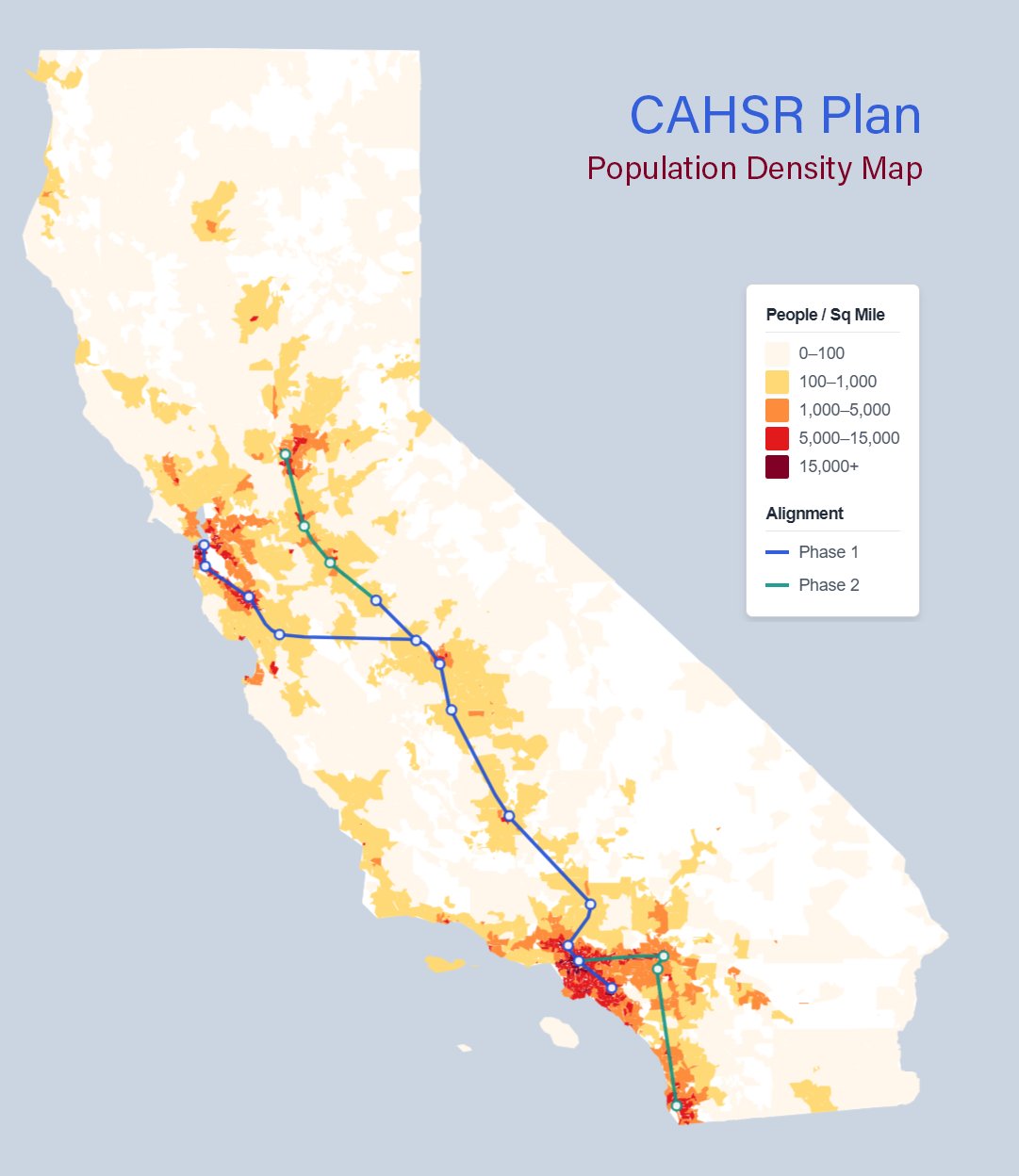
California high-speed rail will connect California’s population centers together and be the backbone of a statewide transit network.
The Latest from HSRA
Our Latest Blog Posts
Check out the latest news, updates, and high speed rail insights from our blog!