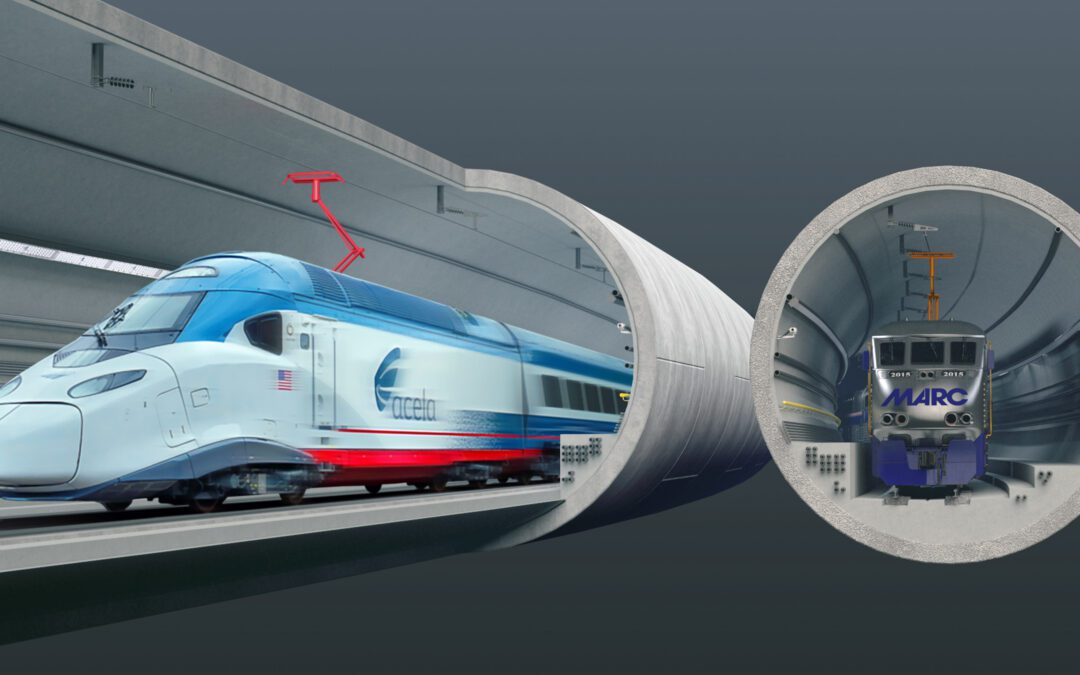
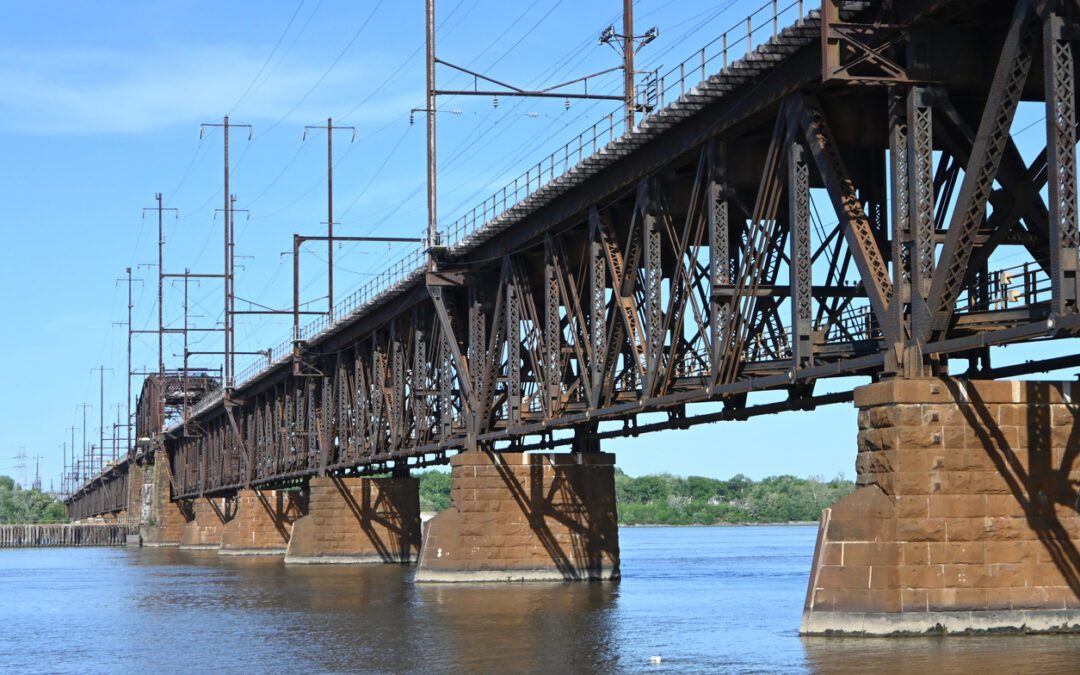
First of three critical projects is under construction Maryland has quietly become one of the key sites of railway upgrades in the Northeast Corridor (NEC). Three consecutive water crossings on a 35-mile stretch between Baltimore and the Susquehanna River will soon be...
Mardi Gras’ Early Results Add to Evidence the South Wants Trains
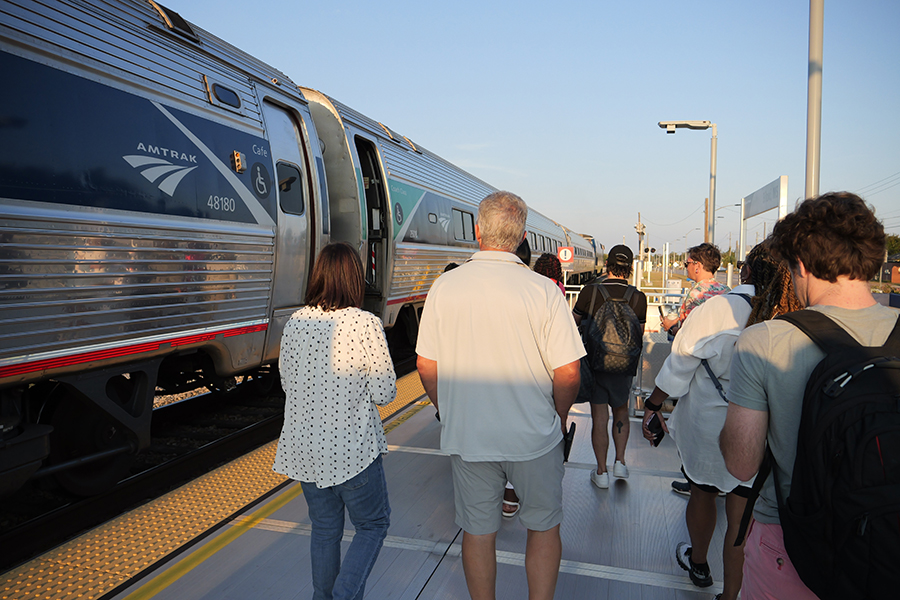
Amtrak is boasting about the early success of its Mardi Gras service – two round trips a day between Mobile, AL and New Orleans, with four intermediate stops in Mississippi: Pascagoula, Biloxi, Gulfport and Bay St. Louis.
The service started rolling in August. In its first three months, the Mardi Gras has carried 46,000 passengers, averaging 458 riders per day and achieving a customer satisfaction rate of 96%, the highest customer satisfaction rate of any Amtrak route. This is despite the limited number of trains and the leisurely average speed of 39 mph.
“The success of Amtrak Mardi Gras Service truly shows what we and the champions of this project have believed for years: passenger rail is essential to the future of mobility along the Gulf Coast,” Knox Ross, chairman of the Southern Rail Commission, said at the commission’s quarterly meeting in Bay Saint Louis. “This service is connecting communities, strengthening local economies, and giving travelers a reliable and enjoyable way to experience our region.”
These early numbers are further evidence to us that the South is ready for serious train service.
Get Involved
Tell Congress: It’s time to reconnect the country with high-speed and regional rail!
The New South, a post-Civil War aspiration, ultimately came to fruition in the automobile age (thanks to air conditioning). Much of the modern South is highways and low-density, car-oriented sprawl, not typically conducive to rail travel. But there are people who can’t drive, either because of their own abilities or lack of access to a car. There are also people who CAN drive but hate it, because it’s tiring, tedious, and dangerous, and traffic congestion is growing. These people are thirsting for an alternative.
Here’s what’s happening, beyond Mardi Gras:
- Brightline is operating in Florida between Orlando and Miami, covering 235 miles in 3½ hours – an average of 67 mph with a top speed of 125 mph. With 16 full round trips per day, plus two more between Miami and West Palm Beach, Brightline carried 2.7 million riders in 2024. The service began from zero in 2018.
- In November, voters in Charlotte, NC and vicinity said yes to a sales tax increase of 1 percentage point, from 7.25% to 8.25%. The sales tax is expected to generate $19.4 billion over 30 years for transportation projects, mostly transit. To us, the willingness of Charlotte and Mecklenburg County voters to approve a sales tax hike to expand transit, particularly rail transit, is indicative that the community wants and will support better inter-city rail.
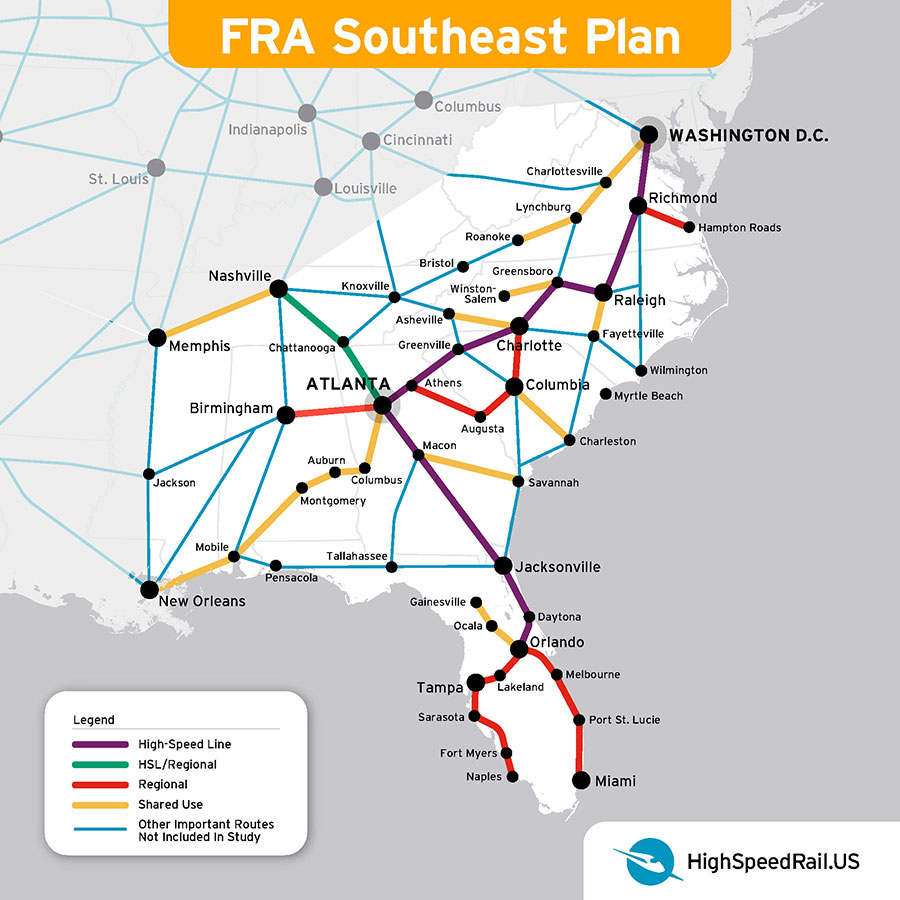
- This brings us to upgrading inter-city rail and the development of a high-speed line between Washington, DC and Orlando. Various efforts to improve speed and frequency are in the planning stages in several segments: Washington to Richmond, VA; Richmond to Raleigh, NC; Raleigh to Charlotte; Charlotte to Atlanta; and Atlanta to Orlando. The need is dire: It’s a 10½-hour train ride to from Charlotte to Washington via the Carolinian, vs. just over six hours by car. It’s almost 14 hours via the Crescent from Atlanta to Washington, vs. 10 hours by car – nevertheless, the train is often booked to capacity.
Even with service levels on Amtrak that are well below optimal, the train attracts passengers. With better service via Brightline, in terms of speed and frequency, passenger counts explode.
Obviously, to reach the level of service the rest of the world has enjoyed for a century, investment in the billions is needed. Nobody so much as clears their throat when billions are tossed into highway expansion, which is ultimately destructive of the environment. The day when passenger rail investment is viewed as a necessity of economic sustainability is on its way. We’re pushing to bring that day closer.
When that day comes, don’t let anybody tell you the South is no place for trains.
The Latest from HSRA
Our Latest Blog Posts
Check out the latest news, updates, and high speed rail insights from our blog!