Ask Congress to Support the American High-Speed Rail Act of 2026 On Tuesday, May 26, U.S. Representatives Seth Moulton (D-MA) and Suzan DelBene (D-WA) introduced the American High-Speed Rail Act of 2026. This bill would provide $205 billion over five years for the...

High-Speed Rail is proven
There are over 28,000 miles of high-speed line in over 20 countries.
It is a transformative way to travel, combining speed, efficiency, and sustainability to revolutionize how we connect.
At its core, high-speed rail has two components:
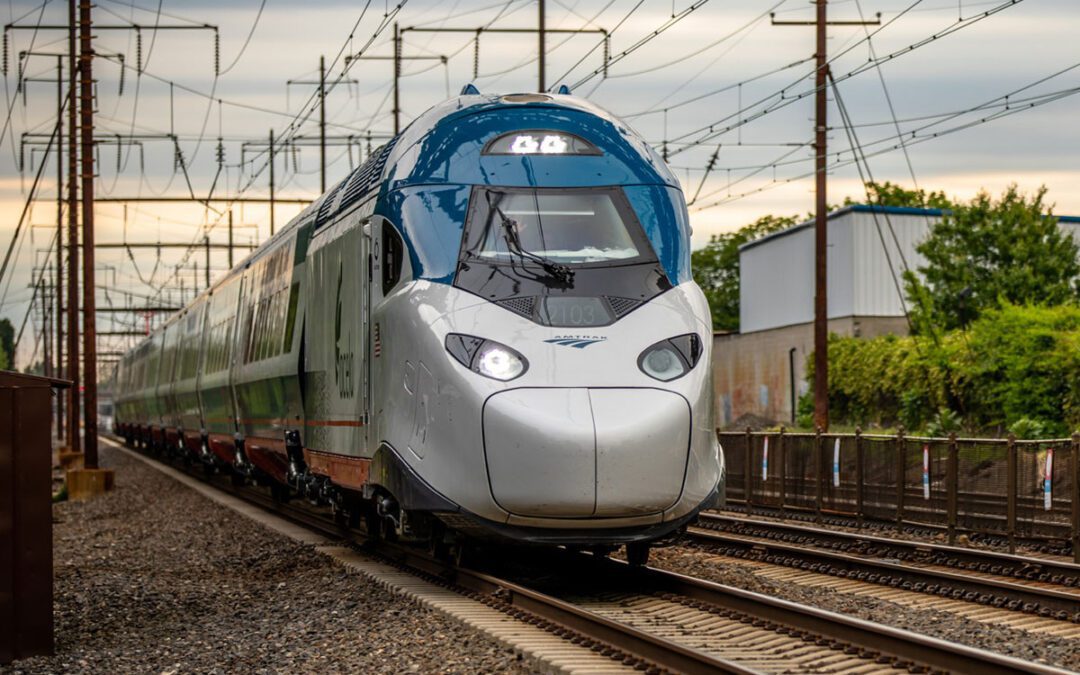
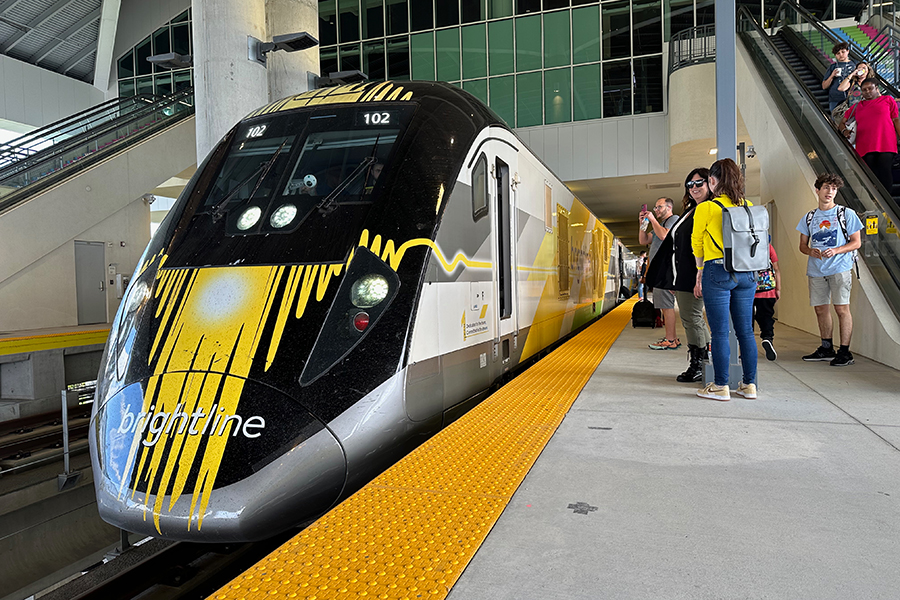
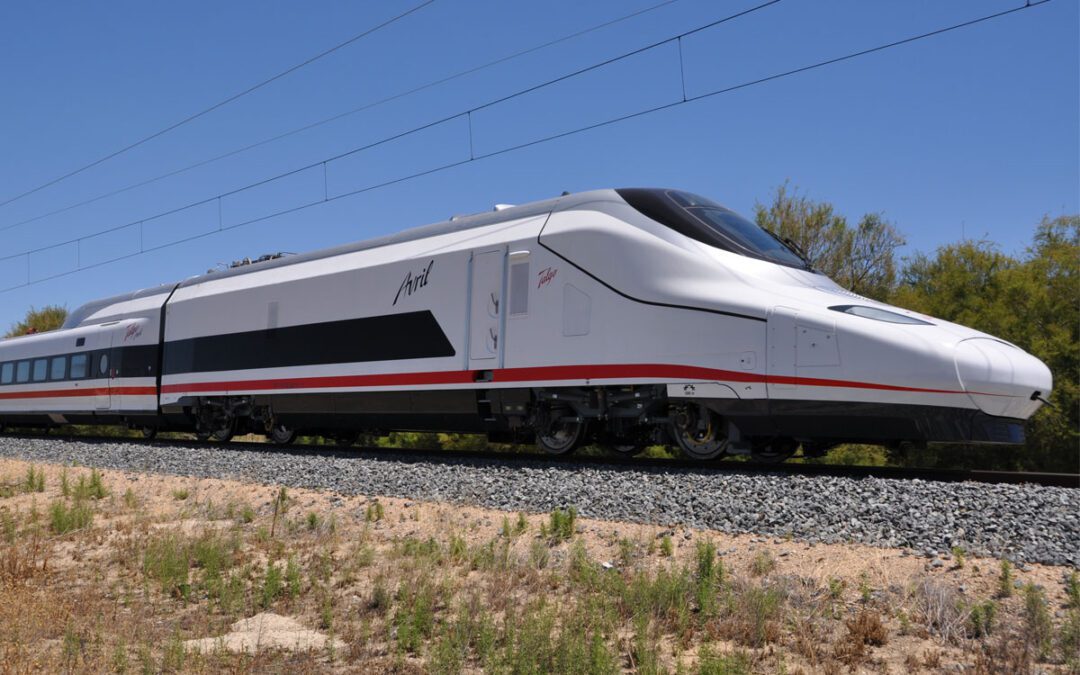
- High-speed trains: The fastest trains cruise at 220 mph.
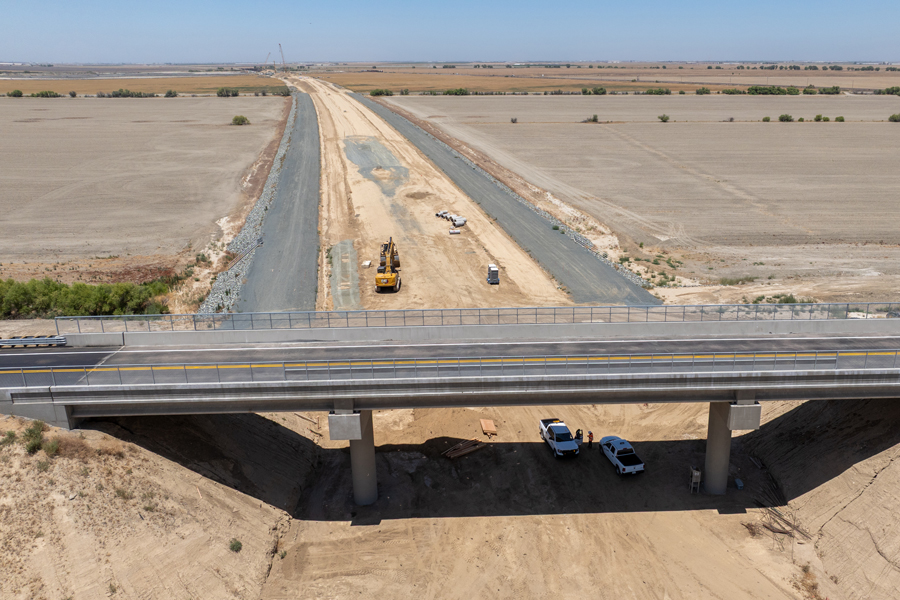
- Dedicated high-speed lines: All other railroads, roads, and walkways go over or under the tracks to create a sealed corridor.
High-speed rail is the backbone of integrated train and bus networks.
What Does High-Speed Rail Deliver?
Millions of people will choose the train instead of flying or driving.
High-speed rail changes the way people think about travel.
From the moment you step on board to the moment you arrive, trains give you the freedom to walk around, use the restroom, or visit the café car. There are no restrictions on using your phone, tablet or laptop.
Same-day, round-trip travel becomes possible to many more destinations, making being there in person easier.
And, by switching car trips to train trips, trains build stronger communities and reduce carbon emissions.

Benefits of train travel
These benefits are true for most trains, and high-speed rail gets you there faster than driving

Flexibility
Often, you can buy a ticket and be on the train in 10 or 15 minutes.

Comfort
Trains give you the freedom to walk around, use the restroom, or visit the café car.
There are no restrictions on using your phone, tablet or laptop.
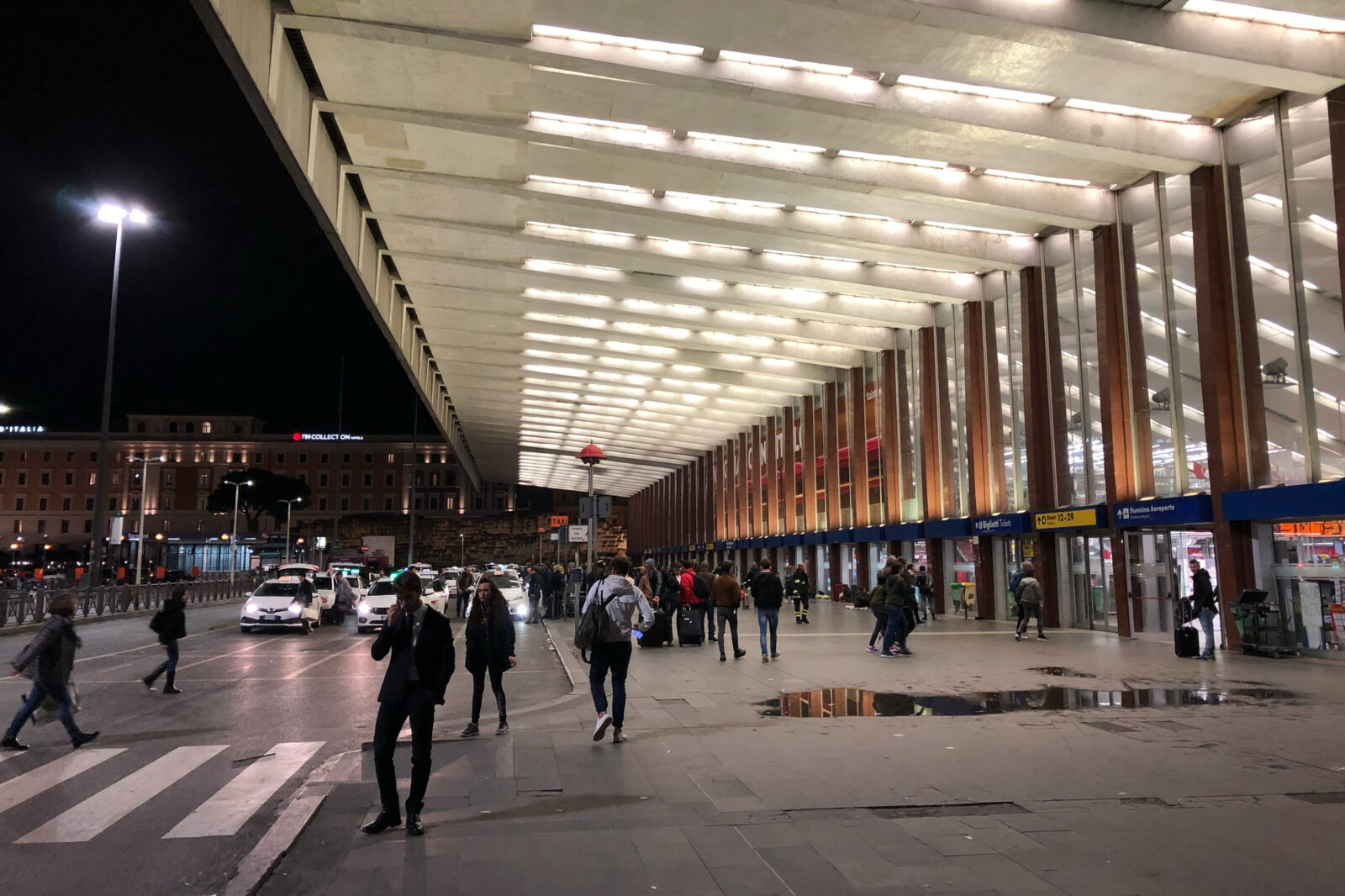
Convenience
A mix of downtown, suburban and airport stations puts you closer to your destination, making it easier to connect with friends or colleagues.
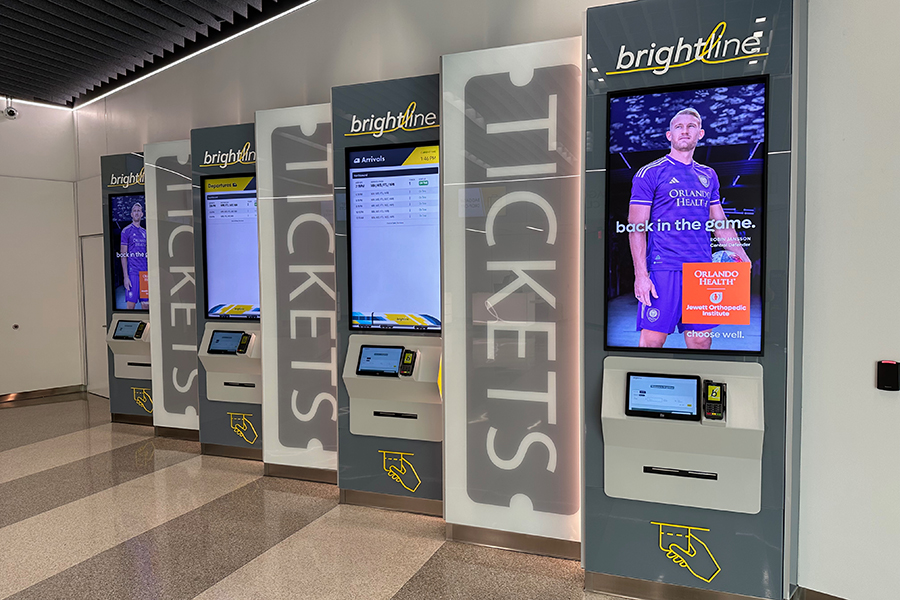
Affordability
Economy class fares are typically competitive with the cost of driving, even for walk-up fares.

Help bring high-speed rail to America
Members of the High Speed Rail Alliance are working together to make fast, frequent, and affordable trains a part of everyday life.
What are High-Speed Trains?
The powerhouse electric vehicles
High-tech, energy-efficient machines
High-speed trains are lightweight and aero-dynamic, able to accelerate quickly. Inside, the ride is quiet and smooth.
The smallest trains have twice the seats as the largest planes, but offer greater comfort and legroom.
In many countries, high-speed trains operate on both high-speed and conventional track in a single journey.
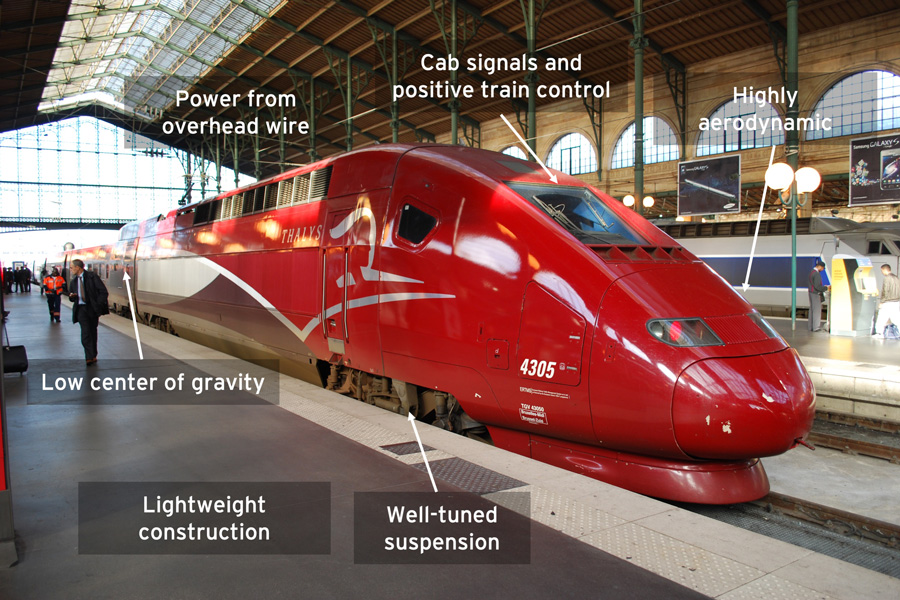
Features of high-speed trains
All of these features are a good idea, no matter what the speed.
They are all required to go very fast.
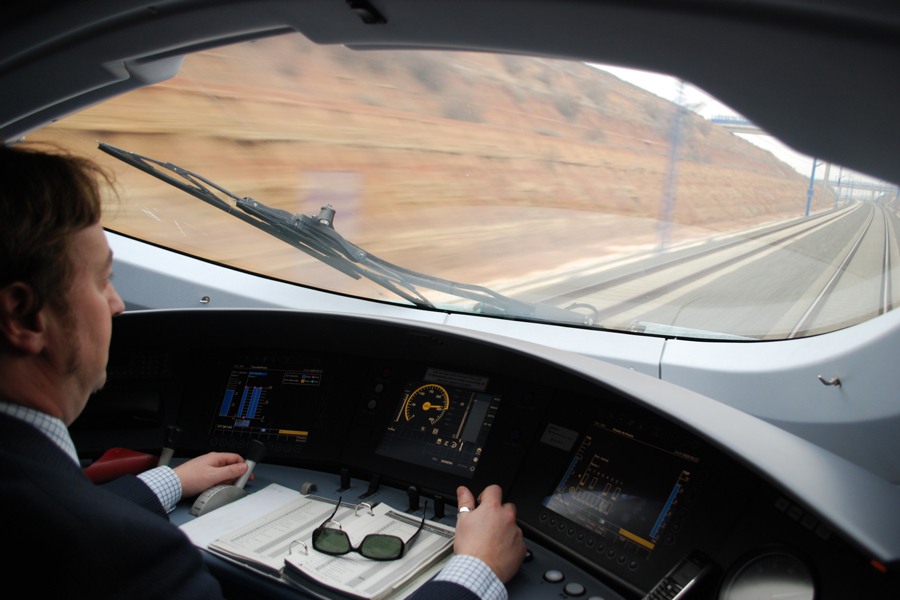
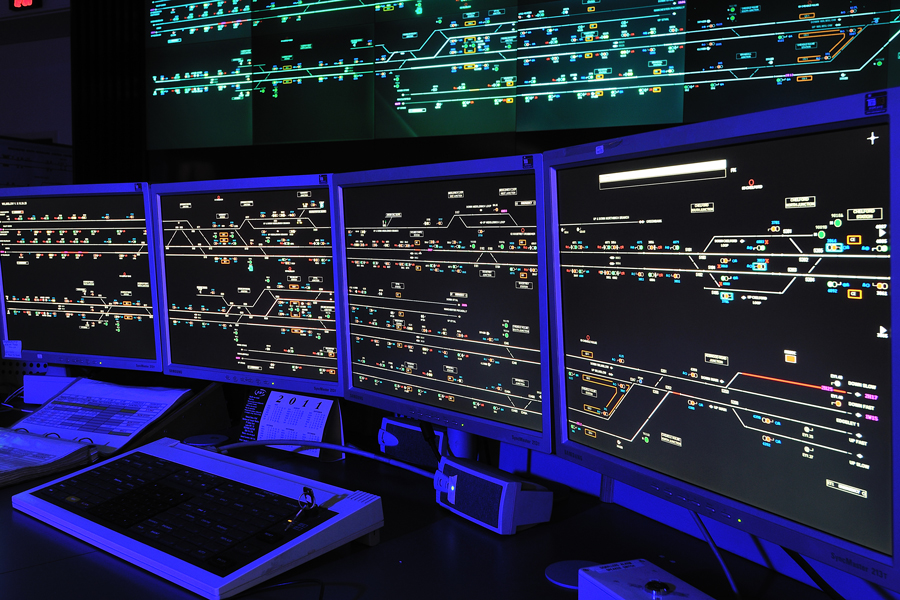
Onboard signalling
High-speed trains train movements are authorized from a single dispatch center covering a large region.
Signals are shown in the cab to ensure that instructions are not missed at high speeds.
Automatic train control
Automatic Train Control will stop the train quickly in an emergency.
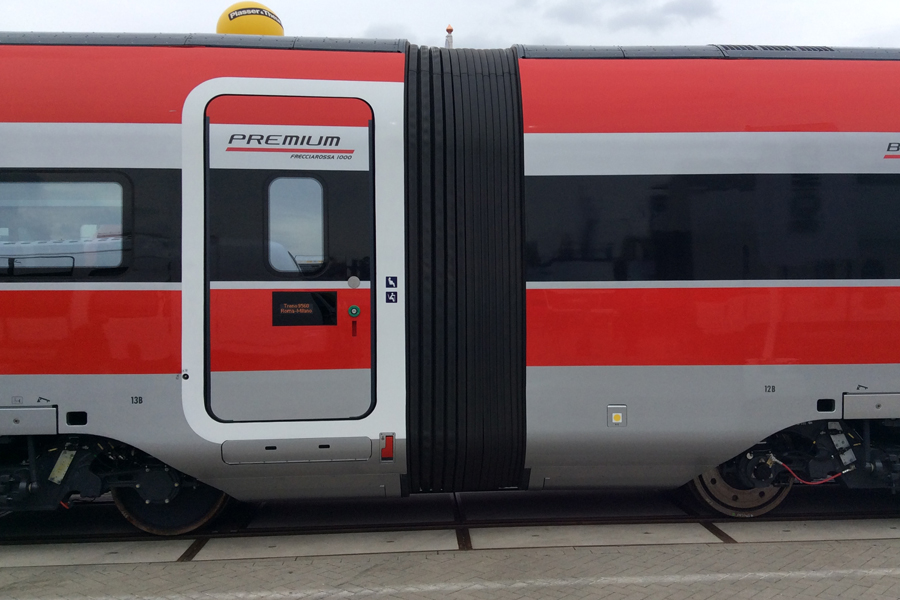
Aerodynamics
Streamlined shapes, tapered noses, and smooth surfaces minimize drag, allowing trains to reach higher speeds with less energy.
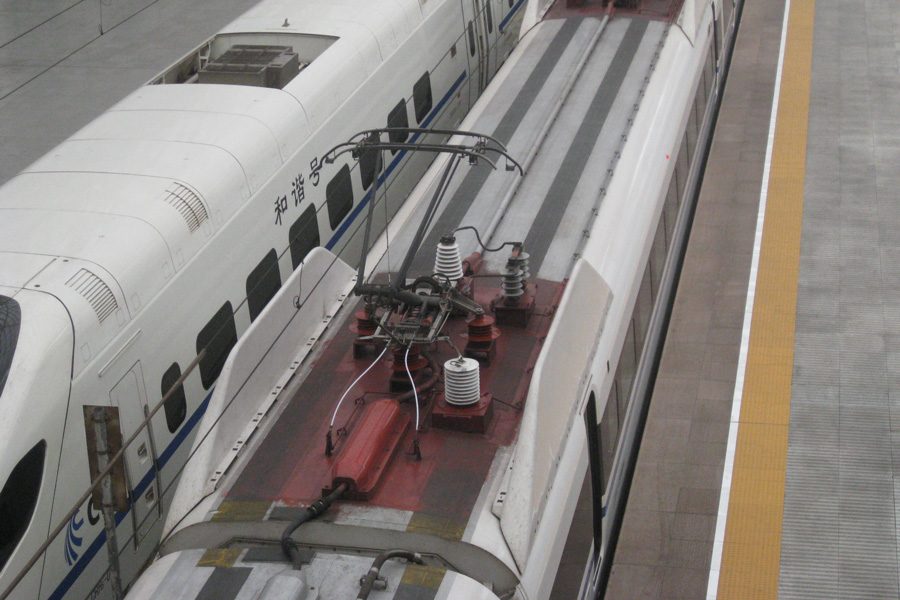
Electrification
Moving the power source off the transit is essential to keeping the train light enough to sustain high-speeds.
What are High-Speed Lines?
Game-changing speed and reliability
Like Interstate Highways
High-speed lines are like interstate highways with gentle curves and easy hills. All other railroads, roads, and walkways go over or under the tracks to create a sealed corridor.
Typically, the lines are newly built, but sometimes existing lines are upgraded. Design speeds range from 125 mph to 250 mph.
The newest lines in Europe operate at 200 mph. Several lines in China operate at 220 mph.
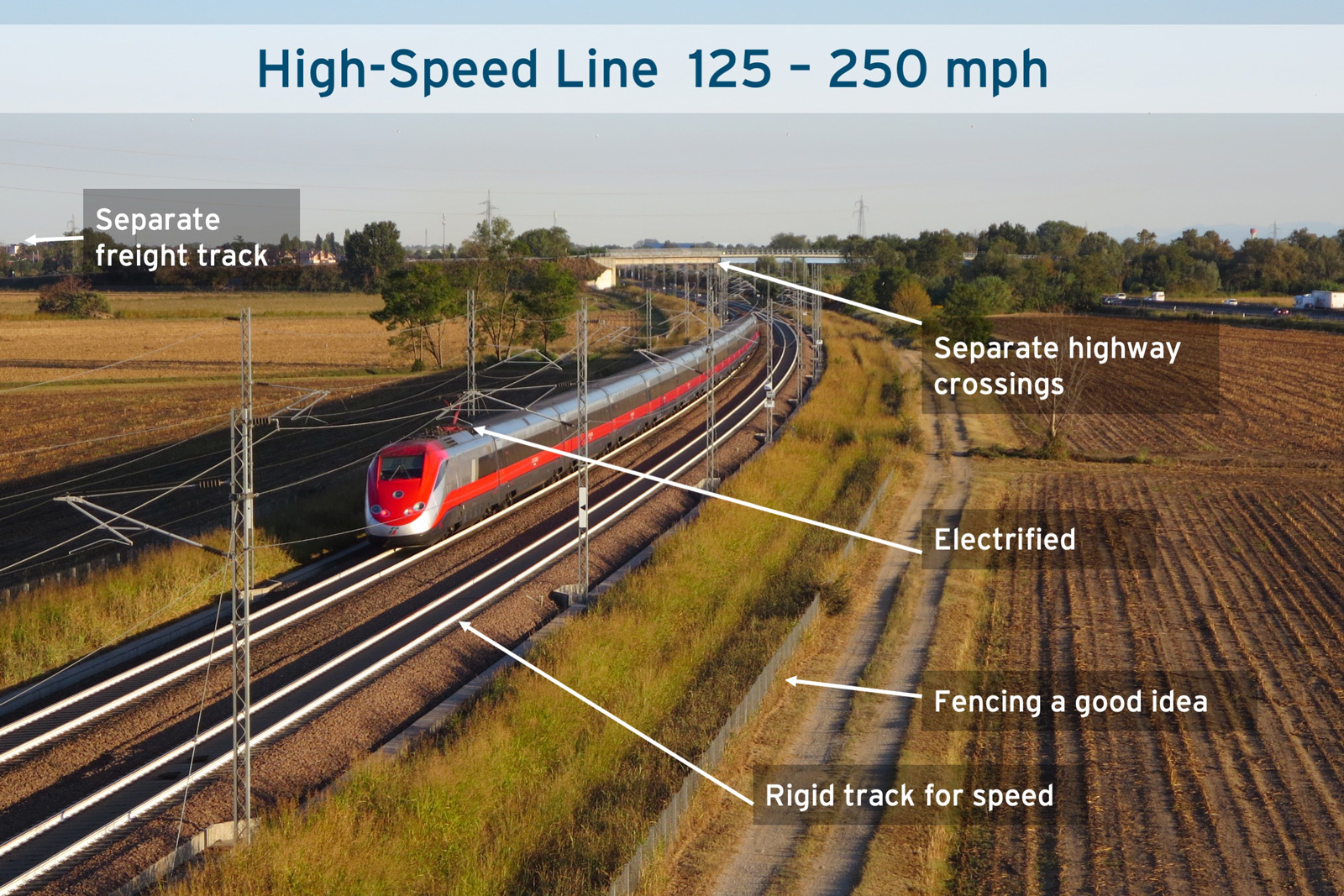
The core ingredients of high-speed lines
All of these ingredients are a good idea, no matter what the speed.
They are all required to go very fast.
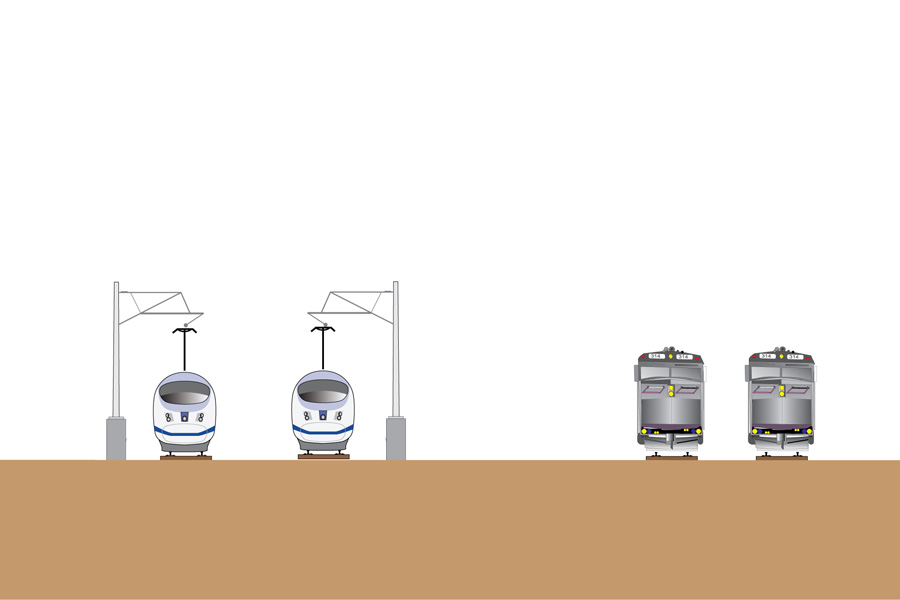
Separate freight tracks
Fast, short, and light trains going 90 mph or more should be separated from slower, long, and heavy freight trains.
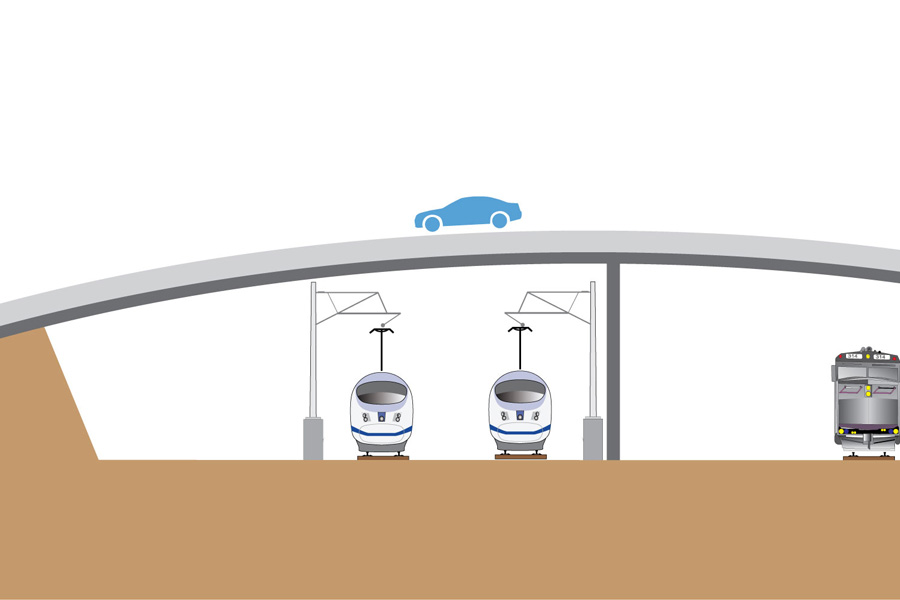
No level crossings
All highways, walkways, and roads must go over or under the tracks at 110 mph or faster.
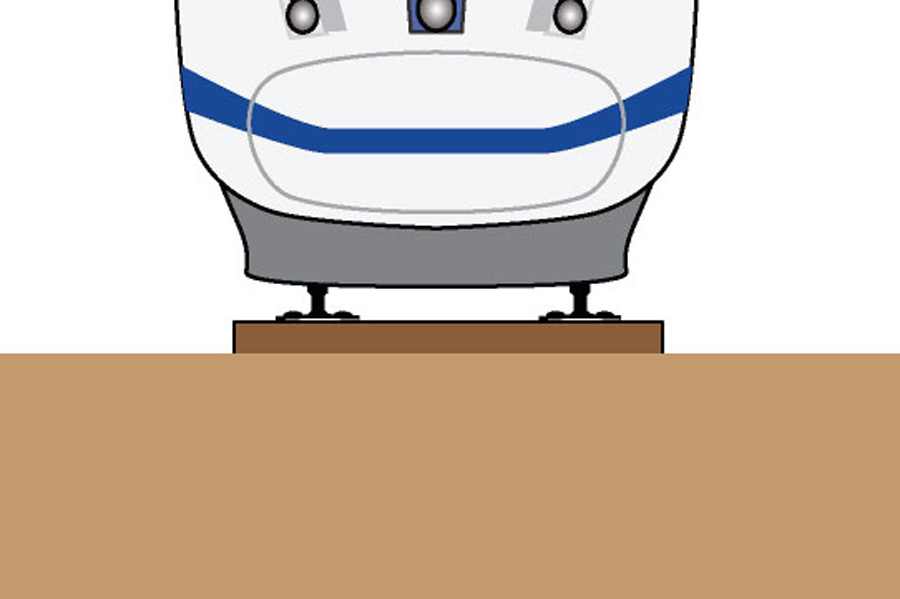
Rigid track
High-speed trains need precise, rigid track.
American freight trains need flexible tracks to deal with heavy loads.
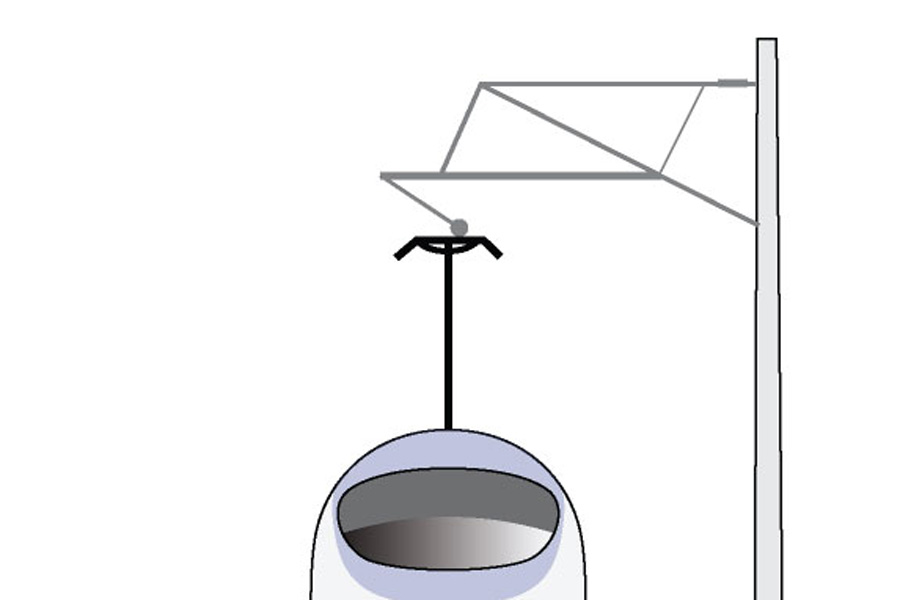
Electrification
Overhead wires are required for speeds over 125 mph.
The Backbone
High-speed rail should be a part of an integrated network of trains, buses and planes that all work together.
With easy and reliable travel connections, more people are drawn to the network. More demand makes the case for more frequent service, which further drives demand.
So high-speed rail is really the heart of a rich and complex system linking together hundreds of cities and towns with seamless and nearly effortless mobility.
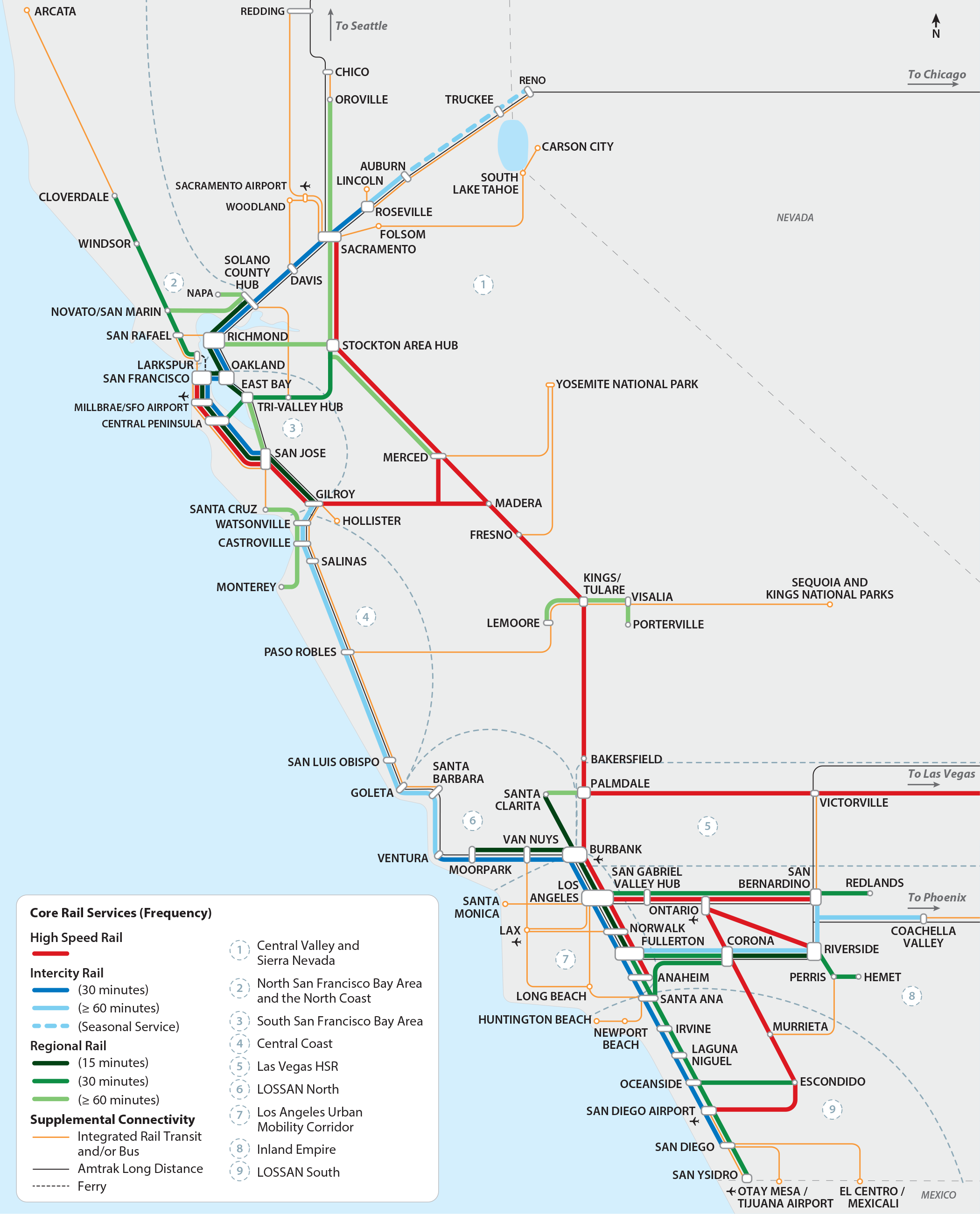
California first published their integrated network plan in 2018.
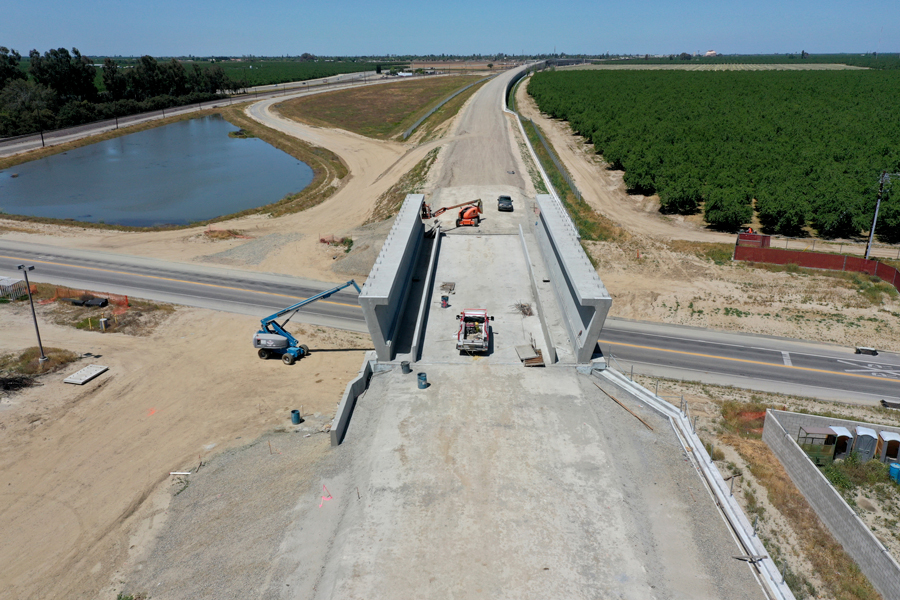
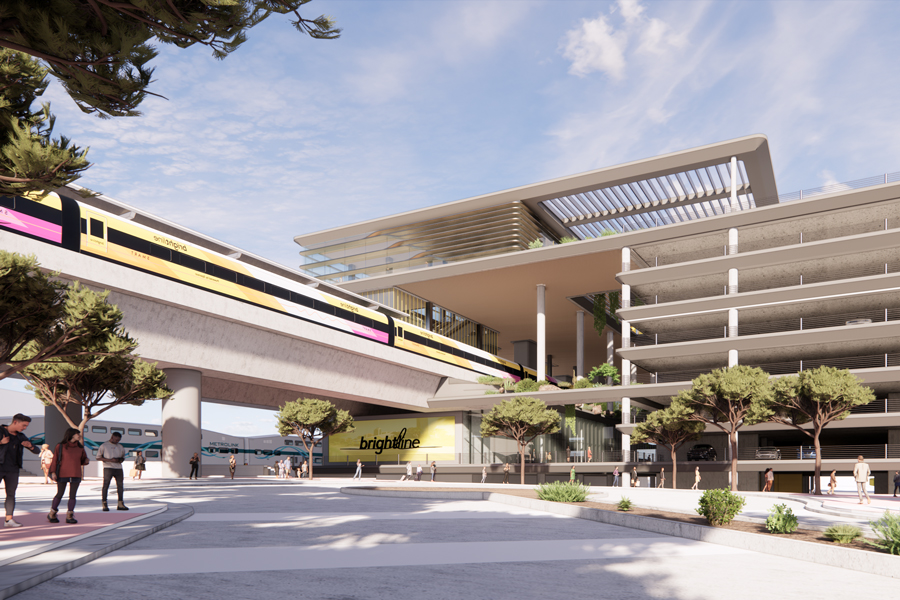
Two high-speed rail segments are under construction
When the Pennsylvania Turnpike opened in 1940, it proved the case for a national network of all-weather, “high-speed” highways. We need an initial high-speed line to launch an American high-speed rail network. One of these could be that line.
Join the High Speed Rail Alliance and help spread this success across the country.
The Latest from HSRA
Our Latest Blog Posts
Check out the latest news, updates, and high speed rail insights from our blog!